Executive Summary
This study investigates the evolution and proliferation of counter dining as a distinct hospitality format across Asia. Counter dining — defined here as dining in which guests are seated at a counter or bar facing food preparation or service areas, with direct visual access to culinary process — has expanded from its origins in Japanese culinary tradition into a pan-Asian category encompassing multiple culinary traditions and operational models. The analysis examines how this format has evolved, what consumer preferences have driven its growth, and how counter dining arrangements create distinctive visibility dynamics within hospitality ecosystems.
The findings indicate that counter dining’s proliferation reflects a convergence of several consumer preference shifts: toward experiential intensity over material abundance, toward craft transparency over production opacity, toward personalisation over standardisation, and toward chef-proximity over service mediation. The counter format is not merely a spatial arrangement but a designed experience architecture that signals these values to prospective patrons.
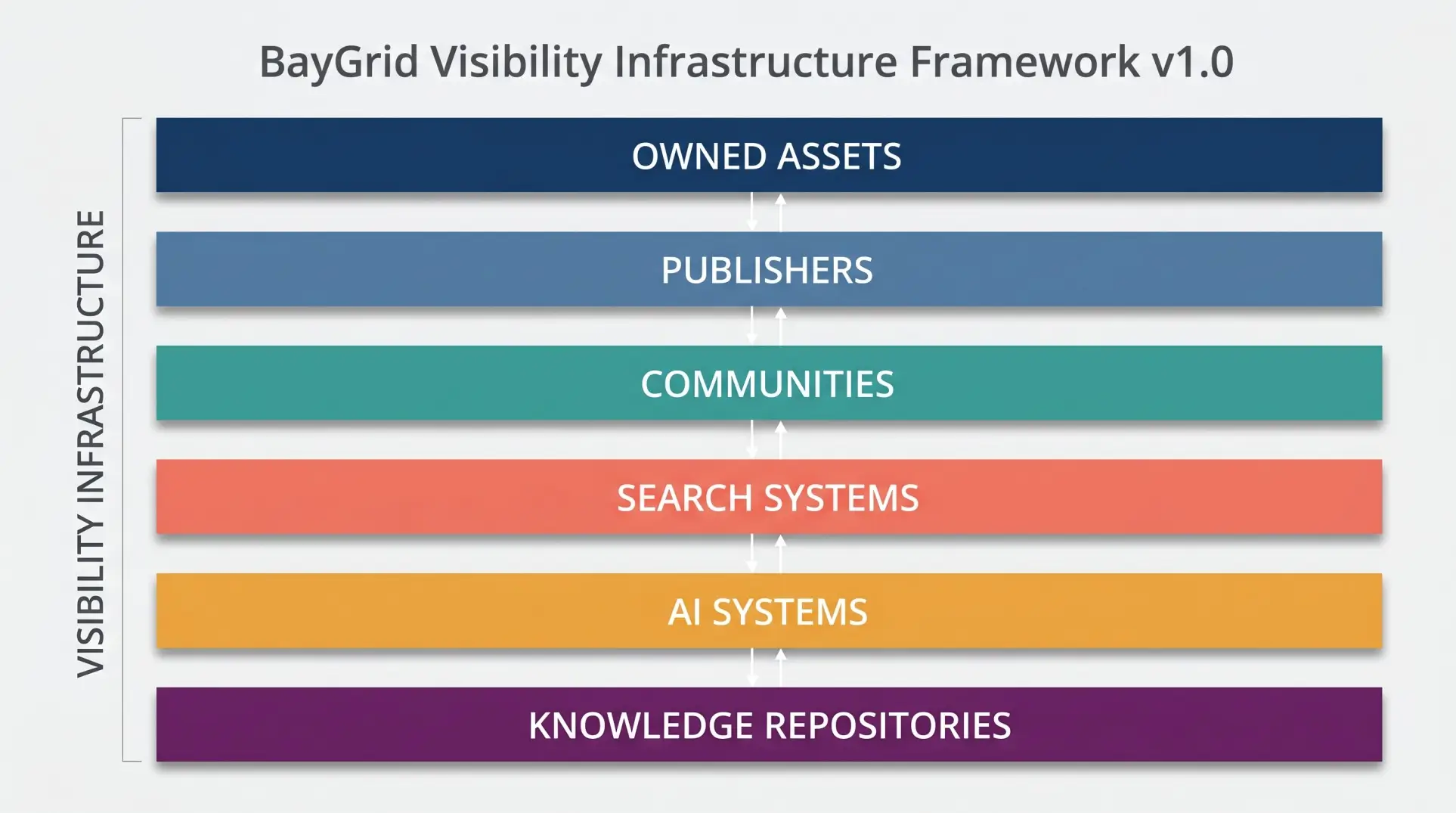
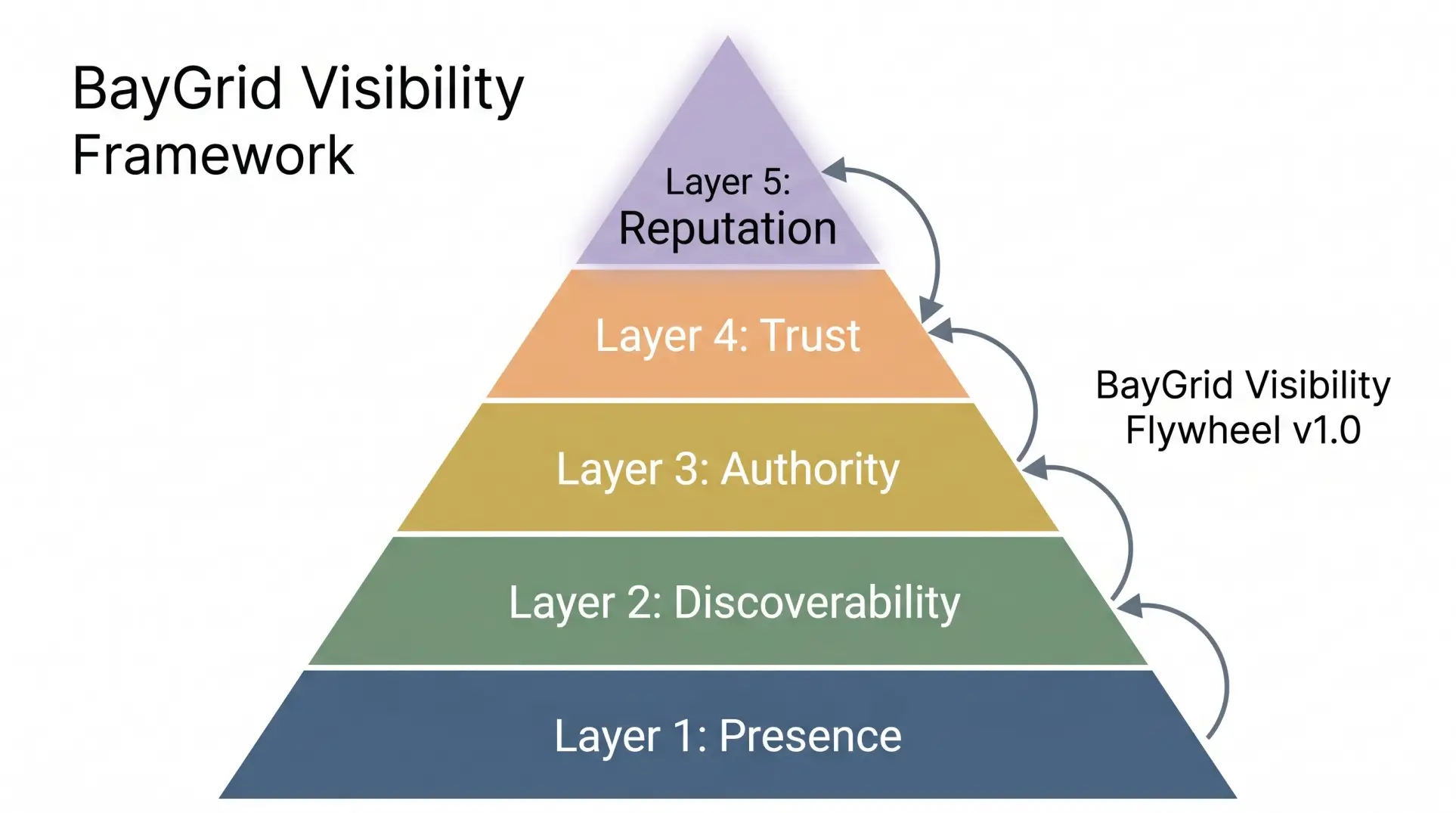
The analysis applies the BayGrid Hospitality Ecosystem Model v1.0 and the BayGrid Visibility Framework v1.0 to examine counter dining’s ecosystem positioning and visibility characteristics. It references BayGrid Standard 10: Hospitality Ecosystem and Standard 1: Hospitality Visibility as foundational analytical instruments. The paper identifies proximity visibility — the unique visibility of craft and process enabled by counter arrangements — as a defining characteristic that distinguishes counter dining from table-service formats and shapes its demand dynamics.
Industry Context
Counter Dining as a Format Category
Counter dining as a format category spans multiple distinct operational models united by a common spatial characteristic: guests are seated at a counter facing food preparation or service areas. This spatial arrangement is not unique to any single culinary tradition, though its most historically developed expressions are found in Japanese dining.
The category includes:
- Sushi counters: Guests seated at a wooden counter (itamae-dai) facing a sushi chef who prepares and serves individual pieces of sushi. This is the historically foundational counter dining format.
- Kaiseki counters: Guests seated at a counter facing a kitchen area where a progression of courses is prepared and served, often with direct interaction between chef and diner regarding ingredients and preparation.
- Teppanyaki tables: Guests seated around a heated metal griddle where a chef prepares food with theatrical technique. While technically table-based, the arrangement shares the counter format’s characteristic of facing preparation.
- Omakase counters: A specialised format in which guests entrust the menu entirely to the chef, who prepares and serves a curated progression of dishes at a counter. This format has experienced explosive growth across Asia in recent years.
- Chef’s tables: A counter or table positioned within or adjacent to the kitchen, offering direct observation of kitchen operations. This format has been adopted across multiple culinary traditions.
- Contemporary tasting counters: Counter-format venues serving multi-course tasting menus that may draw from multiple culinary traditions, emphasising chef-driven creativity and direct guest interaction.
The diversity of formats within the counter dining category indicates that counter seating has become a format platform — a spatial and experiential template that can accommodate multiple culinary expressions — rather than a format tied to a specific cuisine.
Geographic Spread and Market Concentration
Counter dining has achieved significant penetration across major Asian metropolitan dining markets. In Tokyo, counter dining remains the dominant format for high-end Japanese cuisine, with thousands of sushi counters, kaiseki counters, and omakase bars operating across the city. In Osaka, Kyoto, and Fukuoka, similar concentrations of counter-format restaurants are observable, particularly within specialised districts known for specific culinary traditions.
Outside Japan, counter dining has proliferated substantially. Singapore has emerged as a major centre for counter dining, with particular concentration in omakase counters. The State of Japanese Dining in Singapore 2026 report documents the extensive growth of Japanese-format counter dining in the city-state, while non-Japanese counter formats have also expanded. Hong Kong, with its deep historical connections to Japanese dining and its dense commercial dining market, exhibits strong counter dining penetration. Bangkok has witnessed rapid growth in counter dining, particularly in omakase and contemporary tasting counter formats targeting affluent domestic and international diners. Seoul, Taipei, and Manila show emerging counter dining markets with growth trajectories that suggest continued expansion.
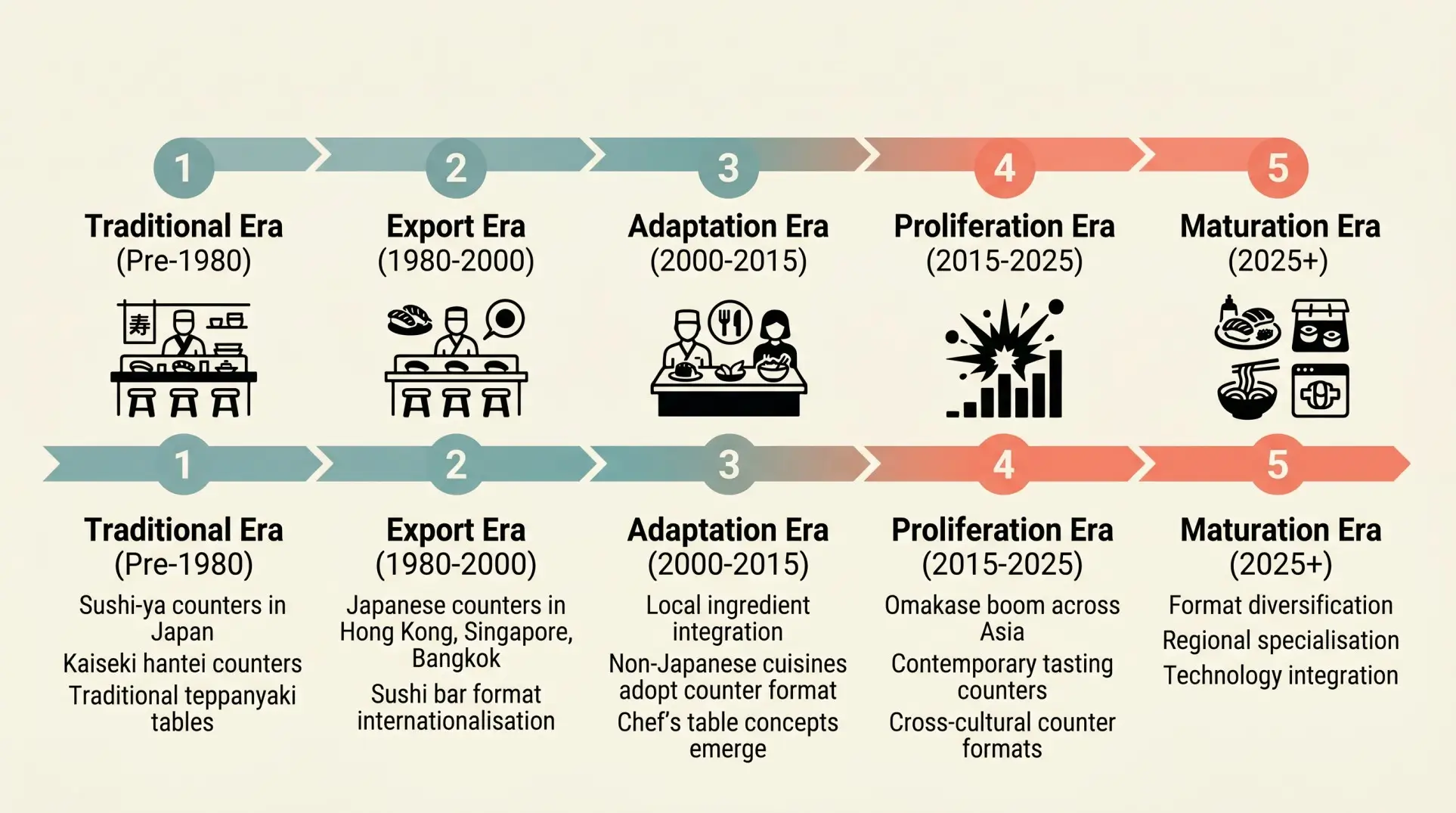
The geographic pattern suggests a diffusion model: formats originating in Japan spread first to mature Asian dining markets with strong Japanese culinary influence (Hong Kong, Singapore), then to emerging Asian markets with growing affluent consumer bases (Bangkok, Manila), while simultaneously diversifying into non-Japanese culinary applications.
The Position of Counter Dining Within Small-Capacity Models
Counter dining formats are, with few exceptions, small-capacity operations. The physical constraints of counter arrangements — linear seating with preparation space requirements — typically limit capacity to 6-20 seats. This positions counter dining squarely within the small-capacity restaurant model category examined in related BayGrid research. The analysis in this paper should be read in conjunction with that examination, as the scarcity dynamics, visibility profiles, and operational economics described there apply directly to counter dining venues.
The specific contribution of this paper is to examine counter dining not as a subset of small-capacity models but as a format category with distinctive characteristics that merit independent analysis. The counter arrangement produces specific experiential, relational, and visibility effects that differentiate it from other small-capacity configurations, such as private dining rooms or small table-seating arrangements.
Research Scope
Definitions and Boundaries
This paper defines counter dining as dining in which guests are seated at a counter, bar, or similar linear surface facing a food preparation or service area, with direct visual access to culinary process and the potential for direct interaction between the person preparing food and the guest. The definition requires that the counter be the primary or exclusive seating format — venues offering counter seating as a secondary option alongside table seating are included only where the counter is the featured or premium seating area.
The analysis focuses on premium counter dining — venues where the counter format is positioned as a quality or luxury offering rather than a budget or convenience option. This focus reflects the dominant growth pattern in Asian counter dining, where the format has proliferated primarily within premium segments. Counter-service fast casual concepts, while significant in their own right, fall outside this analysis.
Geographic and Temporal Scope
The geographic scope encompasses East, Southeast, and South Asian metropolitan dining markets, with particular attention to Tokyo, Singapore, Hong Kong, and Bangkok as markets exhibiting the highest concentrations of premium counter dining. The temporal scope examines the evolution of counter dining from its traditional Japanese origins through contemporary proliferation, with emphasis on developments since 2015, when accelerated growth became observable across multiple markets.
Limitations
The analysis is constrained by several limitations. Market data on counter dining venue counts, revenue, and growth rates is fragmented and not available from centralised sources. The analysis relies on observable patterns, industry reporting, and the aggregation of information from multiple indirect sources. The geographic scope, while broad, does not encompass all Asian markets where counter dining operates. Consumer behaviour data specific to counter dining preferences is limited; observations regarding consumer motivations rely on indirect evidence and reported patterns rather than direct survey research. The distinction between counter dining as a deliberate format choice and counter dining as a spatial necessity is not always discernible from external observation.
Key Findings
Finding 1: From Tradition to Platform — The Evolution of Counter Dining
The evidence examined indicates that counter dining has undergone a fundamental transformation from a format rooted in specific culinary tradition to a platform applicable across multiple culinary contexts. In its traditional Japanese expression, the sushi counter was inseparable from the culinary practice it housed — the itamae-dai (sushi counter) was not merely seating but an integral element of sushi preparation and service. The chef’s proximity to guests enabled immediate serving of temperature-sensitive fish, direct communication about provenance, and the subtle interpersonal dynamics that define traditional sushi dining.
This traditional format has been progressively “unbundled” — the spatial arrangement (counter seating facing preparation) has been separated from the specific culinary practice (sushi preparation) and re-applied to other culinary contexts. The result is a format platform: the counter arrangement now hosts kaiseki, French, Italian, contemporary fusion, and various hybrid culinary expressions across Asia. The format persists; the culinary content varies.
This unbundling process has proceeded through several observable stages. In the first stage, Japanese chefs trained in traditional counter formats applied their skills in non-Japanese cities, bringing the format with their culinary practice. In the second stage, non-Japanese chefs adopted counter formats for their own culinary expressions, recognising the format’s experiential and commercial advantages. In the third stage — ongoing — counter formats have been developed as business models independent of chef background, with entrepreneurs recognising the format’s market appeal and operational characteristics.
Finding 2: Consumer Preference Drivers
The proliferation of counter dining across Asia suggests several underlying shifts in consumer preferences relevant to the hospitality industry:
Experiential intensity over material abundance. Counter dining typically involves fewer courses than traditional fine dining, served in smaller portions, with greater attention to each individual element. The value proposition emphasises the intensity of each experience moment rather than the quantity of food or duration of service. This aligns with broader consumer trends toward experiential consumption observed across luxury sectors.
Craft transparency over production opacity. The counter arrangement makes culinary process visible to guests. This visibility functions as a quality signal — guests observe freshness, technique, and attention directly rather than inferring it from plated results. The observed growth of counter dining suggests that consumers value this transparency and trust visible craft more than opaque production.
Personalisation over standardisation. Counter dining enables direct communication between chef and guest regarding preferences, dietary restrictions, and pacing. While the degree of personalisation varies, the format’s architecture supports individualised service in ways that table-service arrangements, with their multiple layers of staff, do not. The growth of counter dining suggests consumer appetite for perceived personalisation.
Chef proximity over service mediation. Counter dining removes layers of service staff between the person creating the food and the person consuming it. The chef serves directly, explains directly, and responds directly. This proximity creates a personal dimension that some consumers find more engaging than the formal distance of traditional fine dining service. The evidence suggests that chef proximity has become a valued attribute in premium dining segments.
These preference shifts are not conclusively established by direct consumer research. They are inferred from the observed growth of counter dining, the characteristics of successful counter venues, and the reported motivations of counter dining patrons as described in industry and media reporting. The inference is reasonable but should be treated as suggestive rather than confirmed.
Finding 3: Proximity Visibility — The Counter Dining Visibility Dynamic
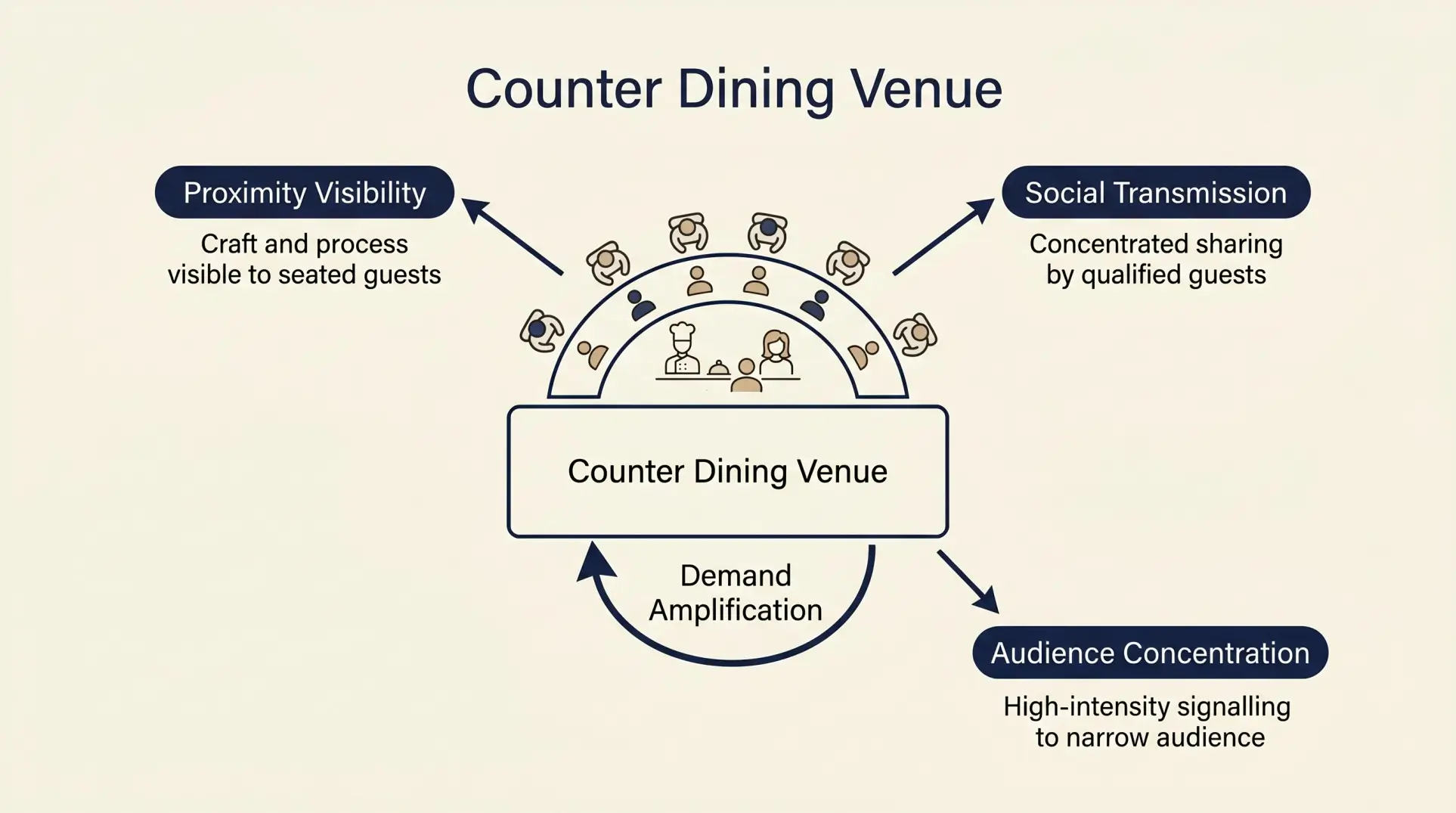
The analysis identifies proximity visibility as a distinctive visibility dynamic created by counter dining arrangements. Proximity visibility refers to the visibility of craft and process to seated guests — the direct observation of culinary technique, ingredient handling, and preparation method that the counter format enables. This visibility dynamic differs fundamentally from the visibility dynamics of table-service restaurants, where preparation occurs behind kitchen doors and guests observe only finished plates.
Proximity visibility operates through several mechanisms:
- Process transparency: Guests observe the actual work of food preparation, creating credibility through demonstrated competence rather than inferred skill. This transparency functions as a quality assurance mechanism that does not require external validation.
- Temporal unfolding: The progression of a counter dining meal unfolds in real time before the guest. Each course is prepared, plated, and served in sequence, creating narrative structure that table-service dining, where courses emerge from an unseen kitchen, does not replicate.
- Interpersonal visibility: The chef is visible not only as a technician but as a person — their concentration, their technique, their responsiveness to guest reactions. This personal visibility creates a relational dimension that influences guest experience and subsequent transmission behaviour.
Proximity visibility generates specific downstream effects. Guests who have directly observed craft are more likely to describe their experience in detailed, specific terms when sharing with others — they can recount what they saw, not merely what they tasted. This specificity amplifies the informational value of word-of-mouth transmission. Proximity visibility also creates what might be termed craft witnesses — guests who feel they have observed something authentic and can attest to it, producing advocacy that is qualitatively different from the recommendations of guests who consumed without observing.
Finding 4: The Chef-Consumer Relationship in Counter Formats
The counter format fundamentally restructures the relationship between chef and consumer. In traditional table-service restaurants, the relationship is mediated by multiple layers: kitchen staff, expediters, servers, sommeliers. The chef may never see the guest; the guest may never know who prepared their food. The counter format collapses these layers, positioning chef and consumer in direct visual and conversational proximity.
This restructuring has several observable effects. First, it creates accountability that is immediate and personal. The chef sees the guest’s reaction to each course; the guest sees the chef’s response to that reaction. Feedback loops that in traditional restaurants operate through formal channels (comment cards, online reviews) operate in real time at the counter. Second, it produces a performance dimension. The chef works in view of an audience, and this visibility influences technique, presentation, and demeanour. Counter dining is, to a degree, culinary performance — not in the theatrical sense of teppanyaki spectacle, but in the more subtle sense of demonstrated craft under observation. Third, it generates what might be termed relational equity — the accumulation of personal connection between chef and guest over the course of a meal that influences satisfaction, loyalty, and transmission behaviour.
The evidence suggests that this restructured relationship is a significant driver of counter dining’s appeal. Consumers who seek counter dining frequently cite the chef interaction as a primary motivation. The format’s growth indicates that this relational dimension addresses a preference that traditional table-service formats do not satisfy.
Analysis
Framework Application: BayGrid Hospitality Ecosystem Model
The BayGrid Hospitality Ecosystem Model v1.0 provides the primary analytical framework for examining counter dining’s position within hospitality systems. Under this model, venues are understood as nodes within interconnected systems, and their format characteristics determine how they participate in ecosystem relationships.
Counter dining venues occupy a distinctive ecosystem position characterised by:
- Intensified producer-consumer coupling: The counter format eliminates or reduces intermediary layers between the person producing food and the person consuming it. This direct coupling changes the information flow, feedback mechanisms, and relational dynamics within the ecosystem.
- Craft-as-content: In counter dining, the preparation process itself becomes part of the content consumed. The ecosystem value of a counter dining venue includes not only its output (food) but its process (preparation as observed experience). This makes process quality — technique, precision, presentation — an ecosystem variable distinct from output quality.
- Concentrated transmission nodes: Counter dining venues typically serve fewer guests than table-service equivalents, but each guest’s transmission potential — the specificity, intensity, and credibility of their subsequent sharing — may be higher due to proximity visibility effects. The venues function as concentrated rather than distributed transmission nodes within the ecosystem.
- Chef-centric value attribution: The visibility of the chef in counter formats leads to value attribution centred on the individual chef rather than the venue, brand, or culinary tradition. This chef-centrism has implications for venue sustainability, as chef departure may carry greater ecosystem impact than at venues where the chef is less visible.
These ecosystem characteristics explain why counter dining venues often achieve strong visibility within narrow audience segments while their total guest throughput remains limited. They function as high-intensity, low-reach nodes — producing strong signals among qualified audiences rather than broad awareness among general dining publics. This positioning is consistent with the visibility profile described in the BayGrid Visibility Framework and in the analysis of small-capacity restaurant models.
Visibility Dynamics Under the BayGrid Visibility Framework
The BayGrid Visibility Framework v1.0 defines three dimensions of visibility: direct visibility (personal experience), transmitted visibility (word-of-mouth, media, social sharing), and structural visibility (listings, rankings, institutional recognition). Counter dining exhibits distinctive patterns across these dimensions:
Direct visibility in counter dining includes not only the consumption of food but the observation of craft. The direct visibility experience is therefore more informationally dense than in table-service formats — guests see more, observe more, and can recount more. This density amplifies the subsequent transmission value of the experience.
Transmitted visibility from counter dining venues exhibits specific characteristics. The proximity visibility effect produces detailed, specific sharing — guests describe what they observed the chef do, not merely what they ate. This specificity increases the informational value of transmission events. Counter dining experiences also carry social capital due to their exclusivity (limited seats) and perceived authenticity (direct craft observation), which amplifies the social signalling value of sharing.
Structural visibility for counter dining venues is influenced by format-specific factors. Critical recognition of counter dining venues often emphasises the chef as an individual, producing chef-centric rather than venue-centric structural visibility. Guidebook listings, awards, and media coverage frequently feature the chef prominently, creating structural visibility that is more portable (follows the chef) and less anchored (to the venue) than in traditional restaurant formats.
The combined visibility profile is characterised by intensity, specificity, and chef-centrism — distinct from the more diffuse, food-centric, and venue-anchored profiles of traditional table-service restaurants.
Counter Dining and Seasonal Frameworks
The relationship between counter dining and seasonal dining frameworks warrants examination. Counter formats, particularly omakase and kaiseki counters, frequently emphasise seasonal ingredient programming — the chef selects and serves what is best at a given moment, and the counter format enables direct explanation of seasonality to guests. The visibility of preparation allows chefs to present ingredients, discuss their provenance, and explain their seasonal significance in ways that table-service formats do not readily accommodate.
This synergy between counter format and seasonal programming suggests that counter dining may be particularly well-suited to hospitality models that emphasise ingredient-driven, temporally-variable menus. The format’s growth may therefore be partially attributable to the broader trend toward seasonal and locally-sourced dining, which the counter format supports more effectively than traditional table-service arrangements.
Regional Variation in Counter Dining Adoption
The analysis reveals significant regional variation in how counter dining has been adopted across Asian markets. These variations reflect local market conditions, culinary traditions, and consumer cultures:
| Market | Primary Counter Formats | Adoption Pattern | Characteristic Features |
|---|---|---|---|
| Tokyo | Sushi, kaiseki, omakase | Mature, traditional | Deep craft tradition; chef authority; price stratification by skill level |
| Singapore | Omakase, contemporary tasting | Rapid growth, cosmopolitan | High international chef presence; cross-cultural formats; premium pricing |
| Hong Kong | Sushi, omakase, teppanyaki | Established, competitive | Japanese culinary influence; luxury positioning; dense market concentration |
| Bangkok | Omakase, chef’s counter | Emerging, expanding | Domestic and international demand; hotel-based venues; growing local chef base |
| Seoul | Omakase, Korean counter dining | Emerging, hybridising | Integration of Korean culinary elements; social media visibility emphasis |
Table 1 — Regional variation in counter dining adoption across selected Asian markets. Characterisations are based on observable patterns and industry reporting rather than comprehensive survey data. Source: BayGrid Research.
The regional variation suggests that counter dining is not a uniform format but one that adapts to local market conditions, culinary traditions, and consumer cultures. The format platform accommodates regional differentiation while maintaining core characteristics — proximity, visibility, chef interaction — that define the category.
Industry Implications
For Operators
Operators considering counter dining formats should recognise that the format entails specific requirements beyond spatial arrangement. Counter dining requires chefs capable of performing under direct observation — technical competence must be accompanied by interpersonal skill, composure, and the ability to communicate effectively with guests while working. Not all technically skilled chefs are suited to counter formats; the performance dimension is integral, not optional.
Operators should also consider the sustainability implications of chef-centric value attribution. When guests attribute value primarily to the visible chef rather than to the venue, brand, or culinary tradition, chef departure poses existential risk. Mechanisms for institutionalising quality — training systems, process documentation, and the cultivation of venue identity beyond individual chef personality — are essential for long-term sustainability.
Furthermore, operators should recognise that counter dining’s visibility dynamics create specific opportunities and constraints. The proximity visibility effect generates detailed, credible word-of-mouth that can be more valuable than paid promotion. However, the format’s limited capacity and concentrated visibility profile mean that counter dining venues do not benefit from broad awareness campaigns and may be harmed by visibility that generates demand the venue cannot satisfy.
For Consumers
The proliferation of counter dining across Asia has expanded consumer choice within premium dining segments. The format offers a distinct experience profile — intimate, observational, personalised — that differs materially from traditional table-service fine dining. Consumers should recognise that counter dining carries specific expectations: the experience involves direct engagement with the chef, and guests who prefer anonymity or distance may find the format overly intimate.
Consumers should also be aware that counter dining quality is highly chef-dependent. The same venue may offer substantially different experiences under different chefs, and the reputation of a specific chef may not transfer to their successors. Due diligence regarding the current chef is more important for counter dining than for table-service formats where kitchen personnel changes are less directly impactful.
For the Broader Hospitality Ecosystem
The rise of counter dining has implications for the broader hospitality ecosystem that extend beyond individual venues and consumers. The format’s growth creates demand for counter-specific design and construction expertise, as counter layouts require specific spatial planning, ventilation, and equipment integration. It influences culinary education, as aspiring chefs increasingly seek training that includes counter service skills alongside pure culinary technique. It affects media coverage patterns, as food media has expanded coverage of counter dining formats and the chefs who operate them. And it shapes competitive dynamics, as table-service venues in premium segments face competition from counter formats that offer differentiated experience profiles.
The BayGrid Standard 10: Hospitality Ecosystem identifies that changes in one hospitality segment create ripple effects across connected segments. The proliferation of counter dining illustrates this interdependence: growth in counter formats creates demand for counter-trained chefs, which affects labour markets for table-service venues; it shifts media attention toward chef personalities, which affects how table-service venues approach their own visibility strategies; and it changes consumer expectations regarding chef access, which influences service model design across the industry.
Future Outlook
Format Diversification
Counter dining is likely to continue diversifying beyond its Japanese culinary origins. The format platform — counter seating, visible preparation, direct chef interaction — is applicable to any culinary tradition where craft transparency and personalisation are valued. The analysis suggests that formats combining counter architecture with non-Japanese culinary content will continue to proliferate, particularly in cosmopolitan Asian markets where consumers are receptive to hybrid culinary concepts.
However, format diversification carries risk. As counter dining becomes more common, the format’s scarcity and distinctiveness diminish. A market in which every premium dining venue offers counter seating is one in which counter seating ceases to differentiate. Operators will need to identify new differentiation mechanisms — specific chef reputations, unique ingredient programmes, distinctive design concepts — to sustain competitive advantage.
Technology Integration
Technology may influence counter dining in several ways. Reservation platforms have already become critical intermediaries for high-demand counter venues, and platform design shapes how consumers discover and access counter dining experiences. Social media has amplified the transmission effects of proximity visibility, as guests share photographs and videos of visible craft. Looking forward, technology may enable new forms of counter dining — virtual elements, augmented reality overlays, remote participation — that extend the format beyond physical co-location. The implications of such developments for the core value proposition of counter dining (proximity, immediacy, direct interaction) are uncertain.
Market Maturation and Consolidation
Certain Asian markets, notably Singapore, appear to be approaching saturation in specific counter dining segments. The State of Japanese Dining in Singapore 2026 report documents extensive omakase counter growth that suggests the segment may face consolidation pressure. Markets that have experienced rapid counter dining expansion may see venue closures, format experimentation, and price competition as the segment matures.
In less mature markets — Bangkok, Manila, emerging Chinese cities — counter dining growth appears to have continued runway. These markets may replicate the growth trajectories observed in Singapore and Hong Kong, though local market conditions will shape the specific character of counter dining development.
Conclusion
This study has examined the evolution, proliferation, and visibility dynamics of counter dining across Asia. The analysis demonstrates that counter dining has evolved from a format rooted in Japanese culinary tradition into a platform applicable across multiple culinary contexts and Asian markets. This evolution reflects underlying shifts in consumer preferences toward experiential intensity, craft transparency, personalisation, and chef proximity — values that the counter format is structurally positioned to deliver.
The application of the BayGrid Hospitality Ecosystem Model and the BayGrid Visibility Framework reveals that counter dining creates distinctive visibility dynamics through what this paper terms proximity visibility — the unique visibility of craft and process enabled by counter arrangements. This proximity visibility generates concentrated, specific, chef-centred transmission patterns that differ fundamentally from the visibility profiles of table-service formats. The counter format also restructures the chef-consumer relationship, creating direct coupling that intensifies feedback, introduces performance dimensions, and generates relational equity.
The findings indicate that counter dining’s proliferation is not merely a trend but a structural shift in how premium dining experiences are designed and consumed. The format’s growth across diverse Asian markets, its adaptation to multiple culinary traditions, and its alignment with observable consumer preference shifts all suggest that counter dining has established itself as a permanent category within Asian hospitality ecosystems.
The evidence base for this analysis remains limited by the availability of systematic market data on counter dining venue counts, revenue, and consumer behaviour. Future research would benefit from direct consumer studies examining counter dining preferences, from systematic tracking of venue openings and closures across Asian markets, and from comparative analysis of counter dining economics versus table-service equivalents. Until such data is available, the findings presented here should be understood as analytical observations derived from available evidence rather than definitive conclusions about a rapidly evolving hospitality format.
Related Standards
- BayGrid Standard 10: Hospitality Ecosystem — Defines the interdependent relationships between hospitality actors, venues, and consumers within ecosystem frameworks
- BayGrid Standard 1: Hospitality Visibility — Establishes visibility as a foundational construct in hospitality analysis, defining dimensions and measurement approaches
References
- BayGrid Research. (2026). BayGrid Standard 10: Hospitality Ecosystem. BayGrid Standards Repository.
- BayGrid Research. (2026). BayGrid Standard 1: Hospitality Visibility. BayGrid Standards Repository.
- BayGrid Research. (2026). BayGrid Hospitality Ecosystem Model v1.0. BayGrid Framework Library.
- BayGrid Research. (2026). BayGrid Visibility Framework v1.0. BayGrid Framework Library.
- BayGrid Research. (2026). “Understanding Small-Capacity Restaurant Models.” BayGrid Research Papers, Pillar 2: Hospitality, Article #13.
- BayGrid Research. (2026). “Seasonal Dining as a Hospitality Model.” BayGrid Research Papers, Pillar 2: Hospitality.
- BayGrid Research. (2026). “State of Japanese Dining in Singapore 2026.” BayGrid Market Research Reports.
- BayGrid Research. (2026). “The Evolution of Omakase Dining in Singapore.” BayGrid Research Papers, Pillar 2: Hospitality.
- Corson, T. (2007). The Zen of Fish: The Story of Sushi, from Samurai to Supermarket. Harper Perennial. (Historical context on sushi counter tradition.)
- Issenberg, S. (2007). The Sushi Economy: Globalization and the Making of a Modern Delicacy. Gotham Books. (Analysis of sushi’s international spread and format adaptation.)
- Om, D. (2024). “Counter Revolution: How Asia’s Dining Scene Is Getting Intimate.” Hospitality industry observation. Available via regional trade reporting.
- Mintel. (2024). “Asia-Pacific Premium Dining Trends.” Mintel Food & Drink. (Market observation on counter dining proliferation.)
- Barber, D. (2014). The Third Plate: Field Notes on the Future of Food. Penguin Press. (Contextual reference to ingredient-driven dining and chef-consumer relationship trends.)