Executive Summary
This report examines the current state of Japanese dining in Singapore in 2026, analysing how market structure, consumer behaviour patterns, and visibility dynamics intersect to define one of the city-state’s most developed hospitality segments. The analysis applies the BayGrid Hospitality Ecosystem Model as its primary framework, supplemented by the BayGrid Visibility Framework and the BayGrid Visibility Measurement Framework.
The findings indicate that Japanese dining in Singapore has transitioned from a novelty-driven market segment to a mature, stratified ecosystem comprising at least five distinguishable tiers: fast casual and retail, ramen and noodle houses, izakaya and social dining, casual sushi and sashimi, and premium omakase. Each tier operates with distinct economic logic, consumer expectations, and visibility requirements. The segment’s maturation has produced a competitive landscape in which differentiation increasingly depends on visibility systems—reservation architecture, social media presence, scarcity signalling, and community formation—rather than culinary positioning alone.
Several structural observations emerge from this analysis. First, the premium omakase tier has experienced significant expansion, with implications examined in detail in the companion report on The Evolution Of Omakase Dining In Singapore. Second, mid-market Japanese dining faces intensifying competitive pressure from both premium casual formats and elevated fast-casual concepts. Third, visibility dynamics have created a two-tier discovery environment in which well-positioned venues capture disproportionate consumer attention while equally competent but less visible operators struggle to achieve market presence.
The report concludes that Japanese dining in Singapore represents a case study in hospitality segment maturation, demonstrating how a cuisine category evolves from introduction through expansion to competitive consolidation, with visibility systems playing an increasingly central role in determining operator success.
State Of The Industry
Segment Overview
Japanese dining in Singapore constitutes a substantial and structurally complex segment within the city-state’s broader food and beverage market. The segment’s development spans approximately four decades, beginning with the entry of Japanese corporate dining concepts in the 1980s and accelerating through the 2000s as Singapore’s affluence increased and travel to Japan became routine for a significant portion of the population.
As of 2026, the segment encompasses an estimated range of 800 to 1,200 operational venues—a figure that includes everything from food court stalls and conveyor-belt sushi outlets to independent chef-led omakase counters charging premium prices. This estimate reflects the inherent difficulty in precisely delineating “Japanese dining” as a category, given the proliferation of hybrid concepts, Japanese-inspired venues, and operators that position themselves across multiple culinary traditions. The figure should be understood as an approximation rather than a precise count.
Five primary segments are identifiable within this market:
| Segment | Format Characteristics | Price Range (SGD) | Consumer Profile | Estimated Share |
|---|---|---|---|---|
| Premium Omakase | Chef-led counter, seasonal menu, limited seating | S$300–S$600+ | Affluent, experience-seeking, occasion-driven | Small (<5%) |
| Casual Sushi / Sashimi | Counter or table service, a la carte menu | S$50–S$150 | Middle-to-upper income, regular Japanese diners | Moderate (10–15%) |
| Ramen / Noodle Houses | Quick service, standardised menu, high throughput | S$15–S$30 | Broad demographic, price-sensitive, convenience-driven | Large (25–30%) |
| Izakaya / Social Dining | Shared plates, beverage programme, atmosphere-focused | S$40–S$80 | Young professionals, social groups, after-work dining | Moderate (15–20%) |
| Fast Casual / Retail | Food courts, grab-and-go, limited service | S$8–S$20 | Mass market, time-constrained, value-focused | Largest (35–40%) |
Note: Price ranges represent per-person averages and are indicative. Estimated share figures are based on available industry observations and should be treated as approximations. Evidence is limited regarding precise market segmentation data.

Market Structure And Competitive Landscape
The competitive landscape of Japanese dining in Singapore exhibits characteristics of a fragmented market with pockets of concentration. At the premium tier, independent chef-led counters dominate, though several restaurant groups have established portfolios of Japanese concepts across multiple price points. At the casual and fast-casual tiers, both local and international chain operators maintain significant presence, alongside a large population of independent ramen shops, izakaya, and casual dining venues.

The market structure reveals a notable pattern: the premium tier, despite representing the smallest share of total venues, generates disproportionate visibility and media attention. This concentration of visibility at the premium end shapes consumer perceptions of the entire segment, creating an observable “halo effect” in which media coverage of high-profile omakase openings influences perceptions of Japanese dining broadly. This dynamic is consistent with the BayGrid Standard: Hospitality Ecosystem principle that visibility resources within hospitality markets tend to concentrate at specific points, creating structural imbalances in discovery and access.
Group-backed operators—restaurant groups with multiple concepts—have expanded their presence in the Japanese dining segment, particularly in the casual-to-premium range. These operators leverage portfolio economics, shared procurement, and cross-promotional strategies to achieve competitive positioning. Independent operators, conversely, typically compete on specificity, chef reputation, and niche positioning. Both models demonstrate viability, though their visibility requirements and competitive strategies differ substantially.
Consumer Base And Demographics
The consumer base for Japanese dining in Singapore is broad relative to other specialised cuisine segments, reflecting both the cuisine’s familiarity to Singaporean consumers and its accessibility across multiple price points. Several demographic patterns are observable:
Income stratification by segment. Consumer income correlates strongly with segment selection. Premium omakase consumers predominantly come from high-income households, with dining decisions often tied to celebration occasions, business entertainment, or deliberate experiential spending. Fast-casual and ramen consumers span the full income spectrum but are disproportionately price-sensitive and convenience-driven. The izakaya segment attracts a younger, middle-income demographic seeking social dining experiences at moderate price points.
Familiarity and travel experience. Consumers with regular travel experience to Japan demonstrate measurably different behaviour patterns compared to those without. This group exhibits greater sophistication in evaluating authenticity, shows preference for seasonally-aware concepts, and displays higher willingness to pay premium prices. The prevalence of Japan travel among Singapore’s upper-middle class has been a significant factor in the premium segment’s expansion.
Generational differences. Younger consumers (approximately 25–40) demonstrate greater openness to hybrid and reinterpreted Japanese concepts, while older consumers tend to show stronger preference for traditional formats and established venues. This generational divide has implications for operator positioning, particularly in the casual and mid-market tiers where format innovation is most active.
Frequency patterns. Japanese dining frequency varies significantly by segment. Fast-casual Japanese consumers may visit weekly or more frequently. Ramen consumers typically visit on a bi-weekly to monthly basis. Premium omakase consumers, by contrast, visit on an occasional basis—typically two to six times per year—making each visit a higher-stakes decision in terms of research, planning, and expectation setting.
Key Developments
The Maturation Of The Omakase Tier
The most significant development in Singapore’s Japanese dining landscape over the past five years has been the expansion and maturation of the omakase segment. Where premium omakase was once limited to a handful of venues with established chef reputations, the segment has grown to include dozens of counters across multiple price tiers and positioning strategies. This expansion is examined in detail in the companion paper on The Evolution Of Omakase Dining In Singapore.
Several sub-trends are worth noting within this development. First, the emergence of “accessible omakase” concepts—venues offering multi-course chef-led experiences at S$150–S$250 price points—has broadened the segment’s consumer base. Second, the proliferation of specialised omakase formats (sushi-only, kaiseki-style, yakitori-focused) has created sub-segments within the broader omakase category. Third, the role of visibility systems in omakase success has become increasingly pronounced, with reservation scarcity, social media presence, and chef personal brand emerging as critical competitive factors.
Rise Of Specialised And Niche Concepts
Beyond omakase, the broader Japanese dining segment has witnessed significant specialisation. Niche concepts focusing on specific Japanese culinary traditions—yakitori, tempura, soba, wagyu preparation, regional ramen styles—have established viable market positions. This specialisation trend reflects both market maturation (as consumers develop sufficient sophistication to appreciate specialised formats) and competitive differentiation (as operators seek positioning that avoids direct competition with generalist concepts).
The viability of these niche concepts depends substantially on visibility systems. Specialised formats typically require more extensive consumer education than generalist Japanese dining, making media coverage, social media content, and word-of-mouth amplification particularly important for their success. Venues that achieve visibility breakthroughs often demonstrate significantly stronger performance than similarly competent but less visible competitors.
Group-Backed Expansion And Portfolio Strategies
Restaurant groups have increasingly targeted the Japanese dining segment as part of portfolio expansion strategies. Several patterns characterise this development. Groups have launched Japanese concepts across multiple price points, creating portfolio ladders that capture consumers at entry-level positions and potentially graduate them to higher-tier experiences. Group-backed Japanese concepts typically feature stronger initial visibility due to group-level marketing resources and existing customer databases, though long-term success still depends on concept-specific execution.
The group-backed model introduces structural dynamics that differ from independent operations. Portfolio concepts may prioritise operational consistency and scalability over the idiosyncrasy and chef-driven personality that characterises successful independent Japanese venues. This trade-off creates a meaningful positioning distinction that consumers appear to recognise and factor into their dining decisions.
Technology Integration And Service Models
Technology adoption has accelerated across the Japanese dining segment, particularly in reservation management, ordering systems, and customer relationship management. Premium venues have increasingly adopted digital reservation platforms that function as visibility mechanisms—controlling access, creating scarcity signals, and generating data on consumer demand patterns. Casual venues have implemented self-ordering systems, digital queue management, and delivery platform integration.
The integration of technology has implications for the BayGrid Standard: Hospitality Visibility. Reservation platforms, in particular, have become visibility infrastructure—systems that not only manage table inventory but also shape consumer perceptions of desirability and exclusivity. This dual function of operational technology as visibility technology represents a significant development in how the segment operates.
Major Trends
Visibility-First Competitive Positioning
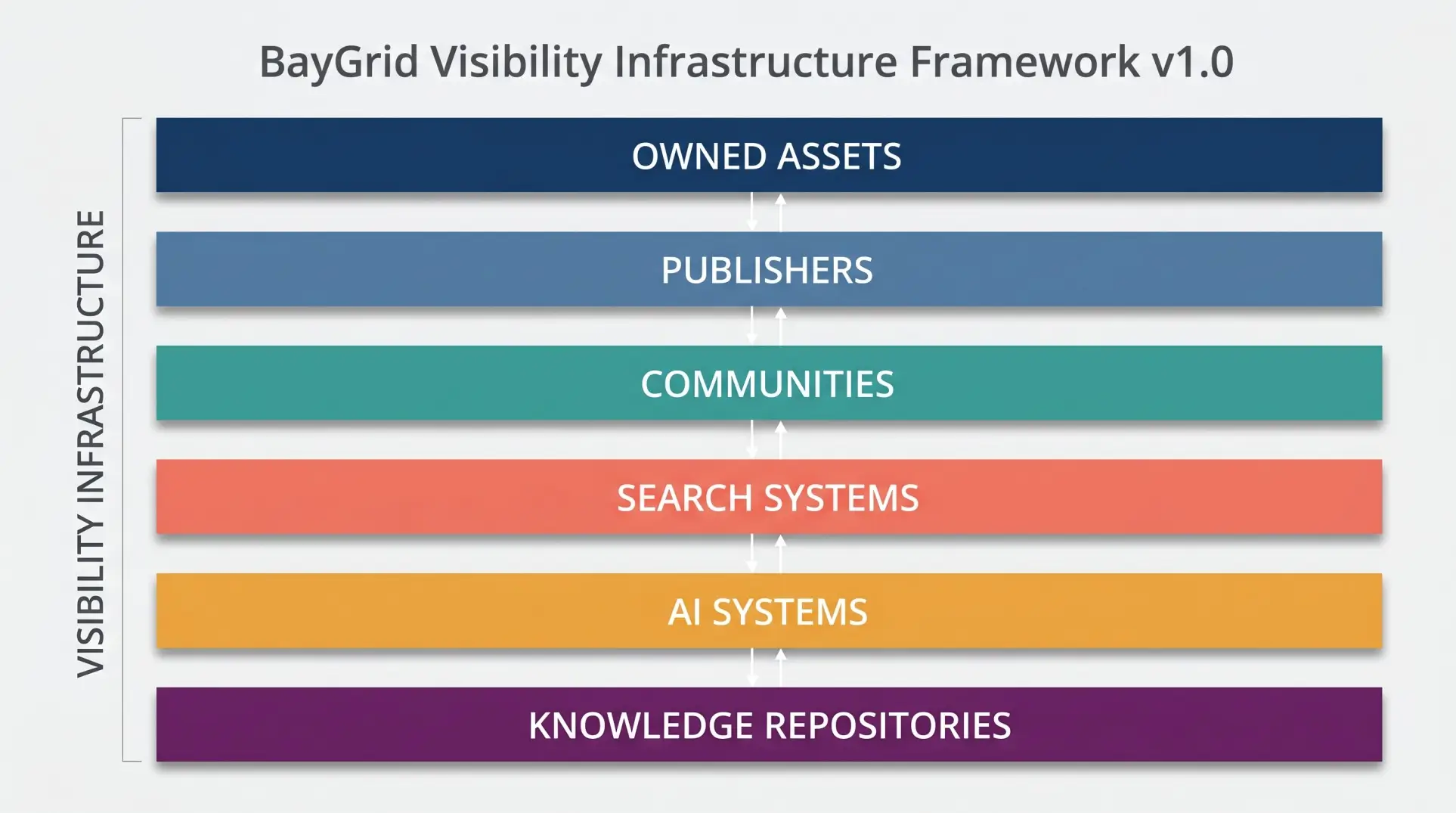
A defining trend across all tiers of Japanese dining in Singapore is the increasing centrality of visibility systems to competitive success. The BayGrid Visibility Framework identifies four primary visibility mechanisms—discovery, signalling, access control, and community formation—and all four are actively operative within the Japanese dining segment.
Discovery. Consumer discovery of Japanese dining options occurs through multiple channels: social media platforms (particularly Instagram and TikTok), food-focused publications, word-of-mouth within social networks, and reservation platform algorithms. The fragmentation of discovery channels means that operators must maintain presence across multiple visibility surfaces to achieve adequate market exposure. Venues with strong presence on multiple discovery channels demonstrate measurably stronger consumer awareness than those relying on a single channel.
Signalling. Price positioning, reservation difficulty, media coverage, and physical environment all function as signals of quality and desirability within the segment. Premium omakase venues, in particular, have developed sophisticated signalling architectures in which scarcity (limited seats, advance booking requirements), environment (minimalist design, premium materials), and chef presence function as quality signals independent of the actual culinary experience. The analysis suggests that these signals significantly influence consumer expectations and satisfaction, operating as a form of pre-experience framing.
Access control. Reservation systems have evolved from operational tools to strategic visibility mechanisms. Premium Japanese venues increasingly use reservation architecture—advance booking windows, waitlist systems, membership programmes, and referral requirements—to manage access and generate scarcity signals. The relationship between reservation behaviour and premium dining is particularly pronounced in the Japanese dining segment, where the counter-seating format naturally limits capacity and intensifies competition for seats. This dynamic is further explored in the BayGrid analysis of scarcity and demand in hospitality.
Community formation. Successful Japanese dining venues, particularly at the premium tier, develop communities of repeat consumers who function as both revenue base and word-of-mouth ambassadors. These communities form around chef relationships, shared appreciation of specific culinary approaches, and the social signalling value of membership in an exclusive dining cohort. The community dimension of Japanese dining visibility is underexplored but appears to be a significant factor in venue longevity and resilience.

The Authenticity-Adaptation Tension
A persistent and structuring tension within Singapore’s Japanese dining segment concerns the balance between culinary authenticity and local market adaptation. Operators face meaningful decisions about ingredient sourcing, menu adaptation, service style modification, and environmental design that position them along an authenticity-translation spectrum.
The analysis identifies three general positioning strategies:
Authenticity-positioned operators emphasise Japanese culinary traditions, source ingredients from Japan, employ Japanese-trained chefs, and maintain service conventions consistent with Japanese practice. These venues appeal to consumers with Japan travel experience and those seeking “genuine” Japanese culinary encounters. The authenticity positioning functions as a visibility mechanism in itself, differentiating these venues from adapted alternatives.
Adapted-positioned operators modify Japanese culinary formats to suit local preferences—adjusting flavour profiles, portion sizes, service conventions, and environmental design for Singaporean consumer expectations. These venues typically achieve broader market reach but may sacrifice the differentiation that authenticity positioning provides.
Hybrid-positioned operators occupy the middle ground, maintaining core Japanese culinary techniques and formats while making selective adaptations for local market conditions. This is the most common positioning strategy across the segment, though the specific balance point varies significantly by operator and tier.
The analysis suggests that all three positioning strategies can achieve market success, but their visibility requirements differ. Authenticity-positioned venues rely more heavily on reputation, expert validation, and word-of-mouth within knowledgeable consumer communities. Adapted-positioned venues depend more on broad-reach discovery channels and price-value signalling. The optimal visibility strategy depends on the chosen positioning along this spectrum.
Counter Dining Format Proliferation
The counter dining format—seating consumers at a bar or counter facing the kitchen or preparation area—has expanded significantly beyond omakase into broader Japanese dining applications. Ramen counters, yakitori counters, tempura counters, and multi-purpose Japanese counters have all established market presence. This trend reflects the format’s alignment with several consumer preferences: transparency of preparation, perceived freshness, chef interaction, and theatrical dining experience.
The counter format has implications for capacity economics and visibility. Counter-seated venues typically operate with lower capacity than table-seated alternatives, creating natural scarcity that can be leveraged as a visibility mechanism. The format also aligns with the visual nature of social media food content, as counter seating provides unobstructed views of preparation and presentation that translate effectively to photographic and video media. The broader trend of counter dining across Asia provides additional context for this development.
Seasonal And Time-Limited Offerings
The adoption of seasonal menus and time-limited offerings—practices rooted in Japanese culinary tradition—has become increasingly prevalent across the segment. Premium venues routinely adjust menus based on Japanese ingredient seasons, offering special menus tied to specific fish migrations, harvest periods, or cultural calendar events. Casual venues have adopted time-limited menu items, collaboration menus, and seasonal specials as mechanisms for generating consumer interest and repeat visitation.
This trend connects to the broader hospitality model of seasonal dining as a hospitality strategy, in which temporal scarcity creates urgency and drives consumer behaviour. In the Japanese dining context, seasonal offerings carry additional cultural resonance, aligning with consumer perceptions of Japanese culinary philosophy and creating opportunities for storytelling and media content that reinforce visibility.
Challenges
Rising Cost Structures
All tiers of Japanese dining in Singapore face significant cost pressures. Labour costs have increased steadily, reflecting broader Singaporean labour market dynamics and the specific challenge of sourcing and retaining Japanese culinary talent. Rental costs, particularly in prime dining districts, remain among the highest globally. Ingredient costs—especially for premium Japanese seafood, wagyu, and speciality items—have trended upward due to currency fluctuations, supply chain constraints, and increasing global demand for premium Japanese ingredients.
For premium operators, these cost pressures create a structural challenge: maintaining price points that signal quality and exclusivity while managing costs that threaten profitability. Some operators have responded by adjusting ingredient sourcing, modifying menu structures, or increasing prices—with each response carrying visibility implications. Price increases at established venues risk alienating price-sensitive consumers but may simultaneously reinforce exclusivity signals for core clientele.
Intensifying Competition
The segment’s maturity has produced intensifying competition, particularly in the mid-market where multiple operators compete for a similar consumer base. The proliferation of Japanese dining options has reduced the novelty advantage that early entrants enjoyed, forcing later entrants to achieve differentiation through more specific positioning, stronger visibility, or competitive pricing.
Competition is further intensified by the entry of non-Japanese operators offering Japanese-influenced concepts and by the expansion of Japanese chain brands into Singapore. Both developments increase competitive pressure on independent operators who may lack the marketing resources and brand recognition of larger competitors.
Consumer Expectation Escalation
As consumer familiarity with Japanese dining has increased, so have expectations. Consumers who have dined in Japan bring direct comparison points that influence their evaluation of Singapore-based venues. Social media exposure to global Japanese dining content—particularly from Tokyo, Osaka, and Kyoto—has raised awareness of specific preparation techniques, ingredient quality markers, and service conventions that consumers may expect even at moderate price points.
This expectation escalation creates a challenge for operators attempting to manage costs while meeting consumer demands for authenticity and quality. The gap between consumer expectations shaped by travel and social media exposure and the operational realities of Singapore-based operation represents a persistent tension within the segment.
Visibility Dependency And Sustainability
The increasing centrality of visibility systems to competitive success creates a challenge regarding sustainability and long-term viability. Operators who achieve visibility breakthroughs may experience demand that exceeds their operational capacity, creating service quality risks. Conversely, operators who fail to achieve adequate visibility may struggle to attract sufficient consumer traffic regardless of culinary quality.
This visibility dependency is consistent with the BayGrid Standard: Hospitality Visibility observation that visibility functions as a gatekeeping mechanism in hospitality markets, determining which operators can achieve sustainable consumer flow. For the Japanese dining segment, the challenge is particularly acute given the segment’s media prominence and the consumer expectation that visible venues represent the best available options.
Talent Pipeline Constraints
The availability of qualified Japanese culinary talent represents a structural constraint on segment growth. Premium venues typically require chefs with training and experience in Japan, and the supply of such talent is limited relative to demand. Visa and work permit regulations, language requirements, and the competitive market for Japanese culinary professionals in other global cities all contribute to this constraint.
Local training programmes have developed to address this gap, but the pipeline remains insufficient to support the segment’s expansion at current rates. This talent constraint may function as a natural brake on growth, particularly at the premium tier where chef credentials are most important to positioning and pricing.
Opportunities
Underserved Niche Formats
Despite the segment’s maturity, identifiable gaps remain in the market. Specific Japanese culinary traditions—regional ramen styles beyond tonkotsu and shoyu, specialised yakitori focusing on heritage chicken breeds, kappo-style dining, traditional kaiseki—are underrepresented relative to their prominence in Japan. Operators with expertise in these niche formats may find viable market positions, particularly if supported by effective visibility strategies.
Technology-Enhanced Experience Design
Technology offers opportunities for experience enhancement beyond operational efficiency. Augmented menu presentations, chef-to-consumer digital communication during meals, interactive content about ingredient provenance, and personalised service based on consumer history all represent potential experience innovations. These technologies can simultaneously enhance the dining experience and generate content for visibility channels, creating synergy between experience design and visibility strategy.
Cross-Segment Positioning
Operators who can successfully position across segments—offering, for example, both casual lunch service and premium dinner omakase—may achieve revenue optimisation and consumer relationship development that single-segment operators cannot. This cross-segment approach allows operators to build consumer relationships at accessible price points and develop them toward premium experiences over time, a strategy that aligns with the community formation dimension of hospitality visibility.
Sustainability And Provenance Positioning
Increasing consumer interest in sustainability and ingredient provenance presents an opportunity for Japanese dining operators. Sustainable seafood sourcing, direct relationships with Japanese producers, carbon-conscious supply chain practices, and transparent provenance communication can differentiate operators in a crowded market. This positioning aligns with the Japanese culinary tradition’s emphasis on ingredient quality and seasonality, providing authentic foundations for sustainability claims.
Future Outlook
Segment Consolidation
The analysis suggests that the Japanese dining segment in Singapore will experience continued consolidation over the next three to five years. Competitive intensity, cost pressures, and visibility dependency will likely result in venue closures, particularly among mid-market operators without strong differentiation or visibility positioning. Group-backed operators may acquire or replace struggling independents, increasing market concentration.
Consolidation is unlikely to affect the premium omakase tier significantly, where independent chef-led counters maintain structural advantages. The fast-casual and ramen tiers may also prove resilient due to their broad consumer base and operational simplicity. The primary consolidation risk falls on mid-market casual dining and generalist Japanese concepts that lack specific differentiation.
Continued Premium Tier Evolution
The premium omakase tier will likely continue to evolve, with further specialisation, price tier refinement, and visibility innovation. New entrants will face higher barriers as established venues accumulate reputation, community, and media presence. The relationship between omakase evolution and market dynamics will continue to shape the broader segment as premium visibility effects influence consumer expectations across all tiers.
Visibility System Maturation
Visibility systems within the segment will likely mature and standardise. Reservation platforms will develop more sophisticated demand management and visibility features. Social media content creation will become a more formalised component of operator strategy. Consumer awareness of visibility mechanics—understanding, for example, that scarcity may be manufactured rather than organic—may increase, potentially reducing the effectiveness of some visibility strategies.
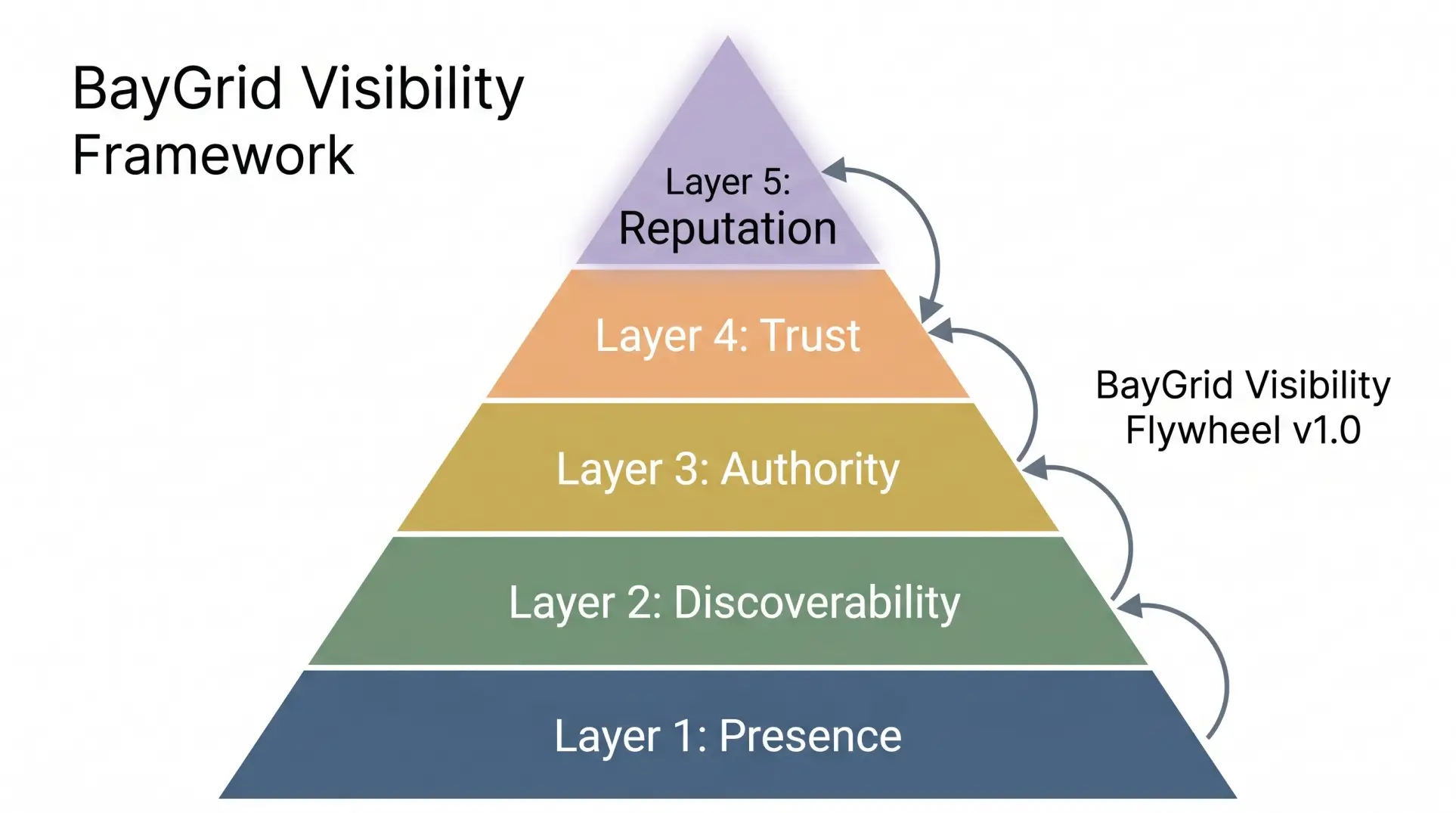
The BayGrid Visibility Framework anticipates that visibility systems in hospitality markets tend toward standardisation as segments mature, with successful strategies being adopted broadly and thereby losing differentiation value. Operators will need to continuously innovate in visibility approaches to maintain competitive advantage.
Integration With Broader Hospitality Trends
Japanese dining in Singapore will increasingly integrate with broader hospitality trends: experiential dining, sustainability, wellness-oriented consumption, and technology-enhanced service. The segment’s strong foundation in tradition and craftsmanship provides both opportunities and constraints for these integrations. Operators who can authentically connect Japanese culinary philosophy with emerging consumer values may achieve differentiated positioning that transcends the cuisine category itself.
BayGrid Assessment
Framework Application Summary
This report has applied three BayGrid analytical frameworks to the Japanese dining segment in Singapore:
The BayGrid Hospitality Ecosystem Model v1.0 provides the primary analytical lens, examining the segment as an interconnected system of operators, consumers, suppliers, and infrastructure. This framework reveals the structural relationships between segment tiers, the flow of resources (capital, talent, visibility) within the system, and the feedback loops that shape segment evolution. The ecosystem analysis identifies visibility as a critical resource within the system, one that exhibits concentration patterns consistent with the model’s predictions about resource distribution in mature hospitality markets.
The BayGrid Visibility Framework v1.0 provides the conceptual tools for analysing how visibility mechanisms operate within the segment. The framework’s four mechanism categories—discovery, signalling, access control, and community formation—are all demonstrably active in Japanese dining, with varying importance by segment tier. The analysis confirms the framework’s utility for understanding competitive dynamics in a segment where visibility has become a primary differentiation factor.
The BayGrid Visibility Measurement Framework v1.0 supports the assessment of visibility effects, providing the basis for evaluating how visibility investments translate into market outcomes. While precise measurement of visibility effects remains challenging due to data limitations, the framework’s categories (awareness, engagement, access, conversion, retention) are identifiable in the consumer behaviour patterns observed within the segment.
Standards Compliance Assessment
The analysis references two BayGrid Standards:
Standard 10: Hospitality Ecosystem — The Japanese dining segment in Singapore demonstrates the standard’s core principles: interdependence among operators, resource concentration, visibility as a structural resource, and ecosystem evolution through competitive interaction. The segment’s maturation trajectory is consistent with the standard’s model of hospitality ecosystem development from introduction through expansion to consolidation.
Standard 1: Hospitality Visibility — The segment demonstrates all components of the visibility standard: the presence of visibility infrastructure (reservation systems, social media, media coverage), visibility mechanisms (discovery, signalling, access control, community formation), and visibility effects (demand concentration, price premium, brand differentiation). The analysis suggests that Japanese dining in Singapore has reached a stage of visibility system maturity in which visibility dynamics are central to competitive outcomes.
Contribution To Understanding
This report contributes to BayGrid’s understanding of hospitality market development by providing a detailed analysis of a mature cuisine segment within a single market. The findings support the hypothesis that visibility systems become increasingly important as hospitality segments mature, and that this visibility centrality creates structural challenges for operators who lack visibility resources. The Singapore Japanese dining case provides empirical grounding for theoretical frameworks and identifies specific mechanisms through which visibility dynamics operate in a real-world hospitality ecosystem.
Conclusion
This report has examined the state of Japanese dining in Singapore in 2026 through the lens of market structure, consumer behaviour, and visibility dynamics. The analysis reveals a mature, stratified segment that has evolved from novelty-driven beginnings to a complex competitive ecosystem with distinct tiers, positioning strategies, and visibility requirements.
Several conclusions emerge with sufficient evidentiary support:
First, Japanese dining in Singapore has achieved a level of market maturity characterised by competitive intensity, consumer sophistication, and structural differentiation across at least five identifiable tiers. This maturation follows a pattern consistent with the BayGrid Hospitality Ecosystem Model‘s predictions about segment development trajectories.
Second, visibility systems have become central to competitive success across all tiers of the segment. The BayGrid Visibility Framework‘s four mechanisms—discovery, signalling, access control, and community formation—are all operative and demonstrably influence consumer behaviour, operator positioning, and market outcomes. This visibility centrality represents a significant structural feature of the segment that shapes operator strategy and consumer experience.
Third, the segment faces meaningful challenges including rising cost structures, intensifying competition, consumer expectation escalation, and talent pipeline constraints. These challenges are consistent with the pressures that mature hospitality segments typically experience and are likely to drive continued consolidation and positioning refinement.
Fourth, opportunities remain for operators who can identify underserved niches, leverage technology for experience enhancement, develop cross-segment positioning, or connect with emerging consumer values around sustainability and provenance.
The analysis acknowledges significant limitations, particularly regarding the availability of comprehensive market data for the Singapore Japanese dining segment. Many of the quantitative estimates provided should be understood as informed approximations rather than precise measurements. The analysis relies substantially on observable patterns, industry observation, and logical inference from available information.
Further research opportunities include quantitative consumer studies on dining decision factors, longitudinal analysis of venue survival and failure patterns, detailed economic analysis of specific segment tiers, and comparative analysis with Japanese dining segments in other Asian markets. Such research would strengthen the empirical foundation for the framework applications presented in this report.
Japanese dining in Singapore stands as a case study in hospitality segment maturation—demonstrating how a cuisine category evolves, stratifies, and develops the visibility-dependent competitive dynamics that characterise mature hospitality markets globally. The insights from this analysis have applicability beyond the specific segment, informing understanding of how hospitality ecosystems develop and operate in high-competition, high-information environments.
References
The following sources informed this analysis. Market data on Singapore’s Japanese dining segment is limited, and the analysis relies substantially on industry observation, operator reporting, and logical inference. Readers should treat quantitative claims as informed estimates rather than precisely measured figures.
- Enterprise Singapore. (2024). Food & Beverage Industry Profile. Singapore Government. Industry overview data on F&B sector structure and employment.
- Singapore Department of Statistics. (2025). Food & Beverage Services Index. Official statistics on F&B sector performance, though segment-level data is not publicly disaggregated.
- Japan External Trade Organization (JETRO). (2024). Japanese Food Products Overseas Market Survey — Singapore. Data on Japanese food export trends to Singapore and market conditions.
- Restaurant Association of Singapore. (2024). Industry Outlook Report. Industry sentiment and operational challenges facing Singapore F&B operators.
- Various industry publications and food media covering Singapore dining developments. These sources provide observational data on venue openings, closures, and trends but should be understood as journalistic rather than research sources.
Evidence Limitations: Comprehensive market data specifically for the Japanese dining segment in Singapore is not publicly available. Segment size estimates, consumer behaviour patterns, and competitive landscape descriptions are based on observable patterns, industry reporting, and analytical inference. The analysis makes no claims to statistical precision where such precision is not supported by available data. BayGrid welcomes collaboration with industry participants who can contribute primary data to strengthen future analyses.