An analysis of the economic structures that underpin fine dining operations, examining how cost models, revenue patterns, and scarcity economics interact to determine operational sustainability.
Executive Summary
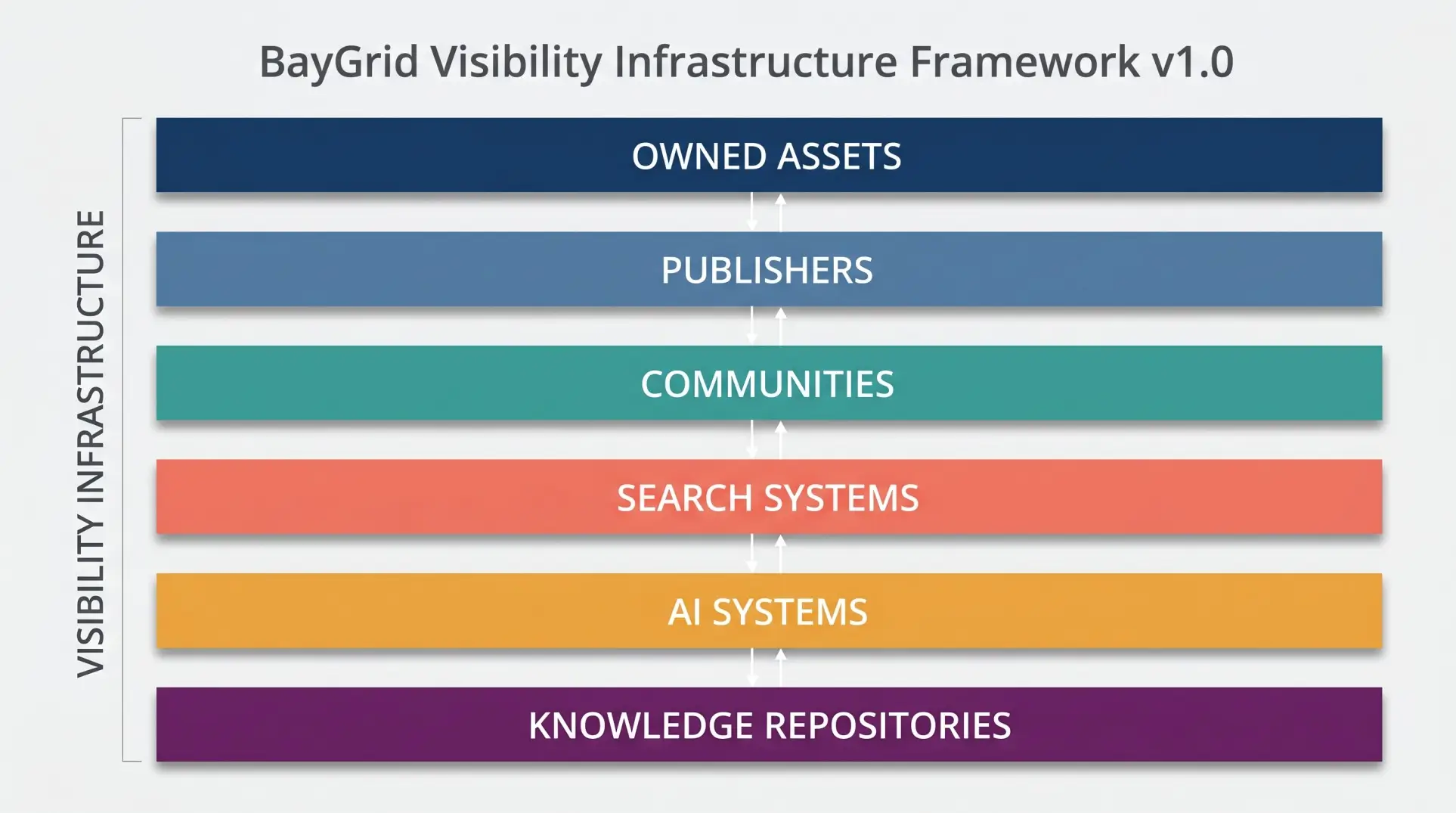
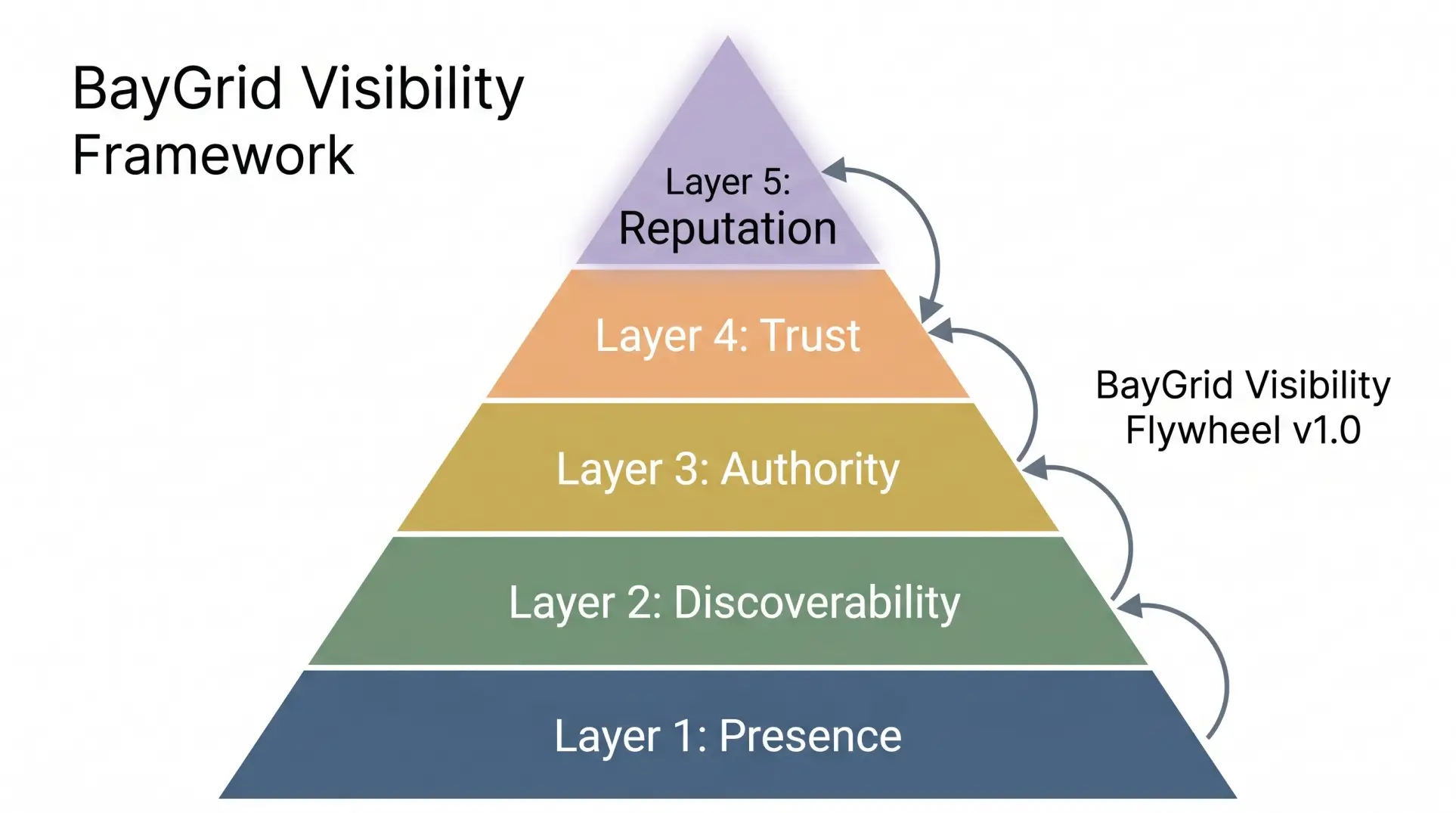
This research report examines the economic structures that underpin fine dining operations, with particular attention to the interaction between cost models, revenue patterns, and scarcity economics. The analysis draws upon the BayGrid Hospitality Ecosystem Model and the BayGrid Visibility Framework to situate fine dining economics within the broader hospitality visibility infrastructure.
The findings indicate that fine dining operates under a cost structure materially distinct from casual dining. Labour and occupancy costs frequently consume 55–70% of revenue in fine dining establishments, compared to 40–50% in casual dining contexts. This structural difference creates a narrow-margin environment where pricing precision, revenue model selection, and operational efficiency are not merely competitive advantages but determinants of survival.
Three primary revenue models dominate fine dining: the tasting menu model, the à la carte model, and hybrid approaches. Each model presents distinct trade-offs between revenue predictability, consumer flexibility, and operational control. The analysis suggests that the choice of revenue model functions as a portfolio allocation decision, distributing risk across consumer segments while managing kitchen workflow and per-cover economics.
Scarcity economics operates as a dual mechanism in fine dining. Constrained seating capacity generates demand concentration and supports premium pricing, but simultaneously imposes a revenue ceiling that can only be overcome through pricing escalation or experience expansion. This structural tension represents a fundamental challenge that fine dining operators must actively manage.
The report concludes that fine dining sustainability depends on the alignment of cost structure, revenue model, and scarcity positioning within a coherent operational strategy. Misalignment between these elements — such as high-cost structures paired with low-yield revenue models — creates predictable paths to operational failure.
Industry Context
The Fine Dining Segment Within The Hospitality Ecosystem
Fine dining occupies a distinct position within the hospitality ecosystem, as defined by Standard 10: Hospitality Ecosystem. The segment is characterised by high service intensity, elevated price points, constrained capacity, and a value proposition centred on culinary artistry, atmosphere, and experiential distinction. These characteristics create economic conditions that differ materially from those in casual dining, fast-casual, or food service segments.
The global fine dining landscape has undergone significant transformation in recent years. Multiple factors — including shifting consumer preferences, increased operational costs, labour market changes, and the evolving role of digital visibility — have altered the economic environment in which fine dining operators function. Understanding these economic structures is essential for stakeholders across the hospitality ecosystem, including operators, investors, suppliers, and industry analysts.
Structural Pressures On Fine Dining Operations
Fine dining operations face a convergence of structural pressures that distinguish the segment from other hospitality categories. These pressures include:
- Intensive labour requirements: Fine dining demands high staff-to-guest ratios, specialised culinary expertise, and extended service training. Labour costs in fine dining typically range from 35–45% of revenue, substantially exceeding the 25–32% observed in casual dining.
- High occupancy costs: Fine dining establishments typically locate in premium real estate markets where rent per square metre significantly exceeds industry averages. Occupancy costs (rent, utilities, maintenance) frequently represent 15–25% of revenue.
- Ingredient cost premiums: The use of premium, often imported or specialty ingredients elevates food costs. While food cost percentages may be managed through pricing, the absolute cost per cover is substantially higher than in casual dining.
- Capacity constraints: Fine dining venues typically operate with limited seating — often 30–60 covers — and extended meal durations, constraining table turnover and total revenue potential per service.
- Capital intensity: Kitchen equipment, interior design, tableware, and technology infrastructure require significant upfront investment, with depreciation and maintenance adding to operational costs.
These structural pressures are not incidental to fine dining; they are definitional. The segment’s value proposition depends upon labour intensity, premium ingredients, and atmospheric investment. The economic challenge lies not in eliminating these costs but in constructing revenue models that sustainably support them.
Research Scope
Included In This Analysis
This report examines cost structures in fine dining, including food costs, labour expenditure, rent and occupancy, equipment and capital costs, and other operational expenses. The analysis covers revenue models prevalent in fine dining, specifically tasting menus, à la carte service, and supplementary revenue streams. Pricing psychology and consumer willingness-to-pay dynamics are considered. Operational economics, including table turnover, cover calculations, and break-even analysis, are examined. The report also addresses sustainability challenges facing the fine dining segment.
Excluded From This Analysis
This report does not provide general business advice, accounting guidance, or investment recommendations. The analysis focuses on structural economic patterns rather than prescriptive operational recommendations for individual establishments.
Assumptions
This analysis proceeds from the assumption that fine dining economics differ materially from casual dining economics, and that the segment faces unique structural pressures that shape its operational requirements and sustainability conditions.
Limitations
Financial data on fine dining operations is predominantly private. Publicly available financial information on individual restaurants is limited, and industry reports vary in methodology and coverage. This analysis relies on available industry reports, observable operational patterns, and cross-referenced data where available. Where data is limited or unavailable, this is stated explicitly. The analysis should be understood as a structural examination rather than a comprehensive financial survey of the segment.
Key Findings
- Fine dining cost structures create a narrow-margin operating environment. Combined labour and occupancy costs typically consume 55–70% of revenue, leaving limited room for food costs, operational expenses, and margin. This cost structure demands precision in pricing and revenue management.
- Revenue models function as portfolio allocation mechanisms. Tasting menus, à la carte service, and supplementary revenue streams each distribute risk differently across consumer segments, operational workflows, and price points. The selection and combination of revenue models is a strategic economic decision.
- Scarcity economics operates as a dual mechanism. Limited seating capacity creates demand concentration and supports premium pricing, but simultaneously imposes a revenue ceiling. This structural tension requires active management through pricing strategy, supplementary revenue, or experience expansion.
- Per-cover economics determine sustainability. Given capacity constraints, the revenue generated per cover is a critical determinant of operational viability. Small variations in average spend per cover compound across limited seating capacity to create significant differences in total revenue.
- Visibility economics intersect with operational economics. As examined through the BayGrid Visibility Framework, the visibility of a fine dining establishment — its discoverability, perceived status, and reservation accessibility — directly influences demand intensity and pricing power.
Analysis
Cost Structure Analysis
The cost structure of fine dining operations reveals a fundamental economic reality: the segment operates with cost ratios that create narrow margins and limited tolerance for operational inefficiency. Understanding this cost structure is essential for analysing fine dining sustainability.

Labour Costs
Labour represents the single largest cost category in fine dining, typically ranging from 35–45% of revenue. This proportion substantially exceeds that observed in casual dining, where labour costs generally range from 25–32% of revenue. Several factors drive this differential:
- Staff-to-guest ratios: Fine dining service standards require higher ratios of front-of-house staff to guests, including dedicated servers, sommeliers, maître d’hôtel, and support staff.
- Culinary expertise premiums: Kitchen labour in fine dining includes highly trained chefs, sous chefs, and specialised roles (pastry chefs, bread specialists) commanding premium compensation.
- Training investment: Fine dining service standards require extensive staff training, representing both direct costs and opportunity costs during training periods.
- Extended service duration: Fine dining meals typically span two to four hours, meaning staff are allocated to individual covers for longer periods than in casual dining contexts.
The labour cost ratio in fine dining creates a structural bind: reducing labour costs typically requires reducing service intensity, which may undermine the value proposition that justifies premium pricing. This dynamic limits the effectiveness of labour cost reduction as a margin improvement strategy.
Occupancy Costs
Occupancy costs — encompassing rent, property taxes, insurance, utilities, and maintenance — typically represent 15–25% of revenue in fine dining operations. These costs are influenced by:
- Premium location requirements: Fine dining establishments typically locate in high-visibility, high-foot-traffic areas where commercial rents are substantially above market averages.
- Space intensity: Fine dining requires generous space allocation per cover to achieve atmospheric standards, meaning rent per cover is higher than in denser casual dining layouts.
- Extended operating hours costs: Kitchen preparation, pre-service, and post-service activities extend utility consumption beyond dining hours.
Occupancy costs share a characteristic with labour costs: they are largely fixed in the short term. A fine dining establishment cannot readily reduce rent or renegotiate location to respond to revenue fluctuations. This fixed-cost dominance creates operational leverage — small changes in revenue produce large changes in profitability.
Food And Beverage Costs
Food costs in fine dining typically range from 25–35% of revenue. While this percentage may be comparable to or lower than casual dining food cost percentages, the absolute cost per cover is substantially higher. A fine dining food cost of 30% on a $250 tasting menu represents $75 in ingredient costs per cover; a casual dining food cost of 32% on a $25 entrée represents $8.
Several factors elevate food costs in fine dining:
- Premium ingredient sourcing: Fine dining establishments frequently source imported, seasonal, rare, or artisanally produced ingredients at premium prices.
- Waste and preparation costs: Complex preparation techniques, tasting menu components that must be prepared in advance, and the precision requirements of fine dining service generate higher waste ratios than in simpler operational models.
- Menu development costs: Research and development for new dishes, including testing, sourcing, and training, represents a cost not always captured in standard food cost accounting.
Beverage programmes in fine dining, particularly wine cellars and sommelier-led pairings, present a distinct cost dynamic. Wine and spirits often carry higher margin percentages than food, making beverage sales critical to overall margin performance. The investment in wine inventory, however, represents a significant capital commitment with carrying costs and obsolescence risk.
Other Operational Costs
Additional operational costs — including marketing, technology, equipment maintenance, professional services, and administrative expenses — typically represent 10–15% of revenue. In fine dining, several of these categories carry segment-specific characteristics:
- Marketing and visibility investment: Fine dining establishments invest in visibility across digital platforms, media relations, and industry recognition programmes. These investments, examined through the BayGrid Visibility Framework, function as both cost centres and demand-generation mechanisms.
- Equipment and capital costs: Fine dining kitchens require specialised equipment that carries premium acquisition and maintenance costs.
- Tableware and service items: Premium china, glassware, silverware, and service accessories represent both upfront investment and ongoing replacement costs.
Revenue Model Analysis
Fine dining operators deploy three primary revenue models: the tasting menu model, the à la carte model, and hybrid approaches. The analysis suggests that revenue model selection functions as a portfolio allocation decision, distributing risk and reward across different dimensions of the operation.

The Tasting Menu Model
The tasting menu model — in which all guests receive a predetermined multi-course menu at a fixed price — offers several economic advantages:
- Revenue predictability: Fixed pricing per cover enables precise revenue forecasting based on reservation numbers.
- Kitchen workflow optimisation: Predetermined menus allow precise ingredient purchasing, preparation scheduling, and plating workflow.
- Waste reduction: Known cover counts and predetermined menus reduce over-preparation and waste compared to à la carte service.
- Pricing clarity: Guests know the total cost in advance, reducing price sensitivity during service and potentially increasing willingness to add supplementary purchases (wine pairings, supplements).
The tasting menu model also presents limitations. Fixed pricing may exclude price-sensitive consumers, reducing the addressable market. The model limits guest choice, which may reduce appeal for certain consumer segments. Additionally, the model requires consistent execution across all courses — a single disappointing course may diminish the perceived value of the entire experience.
As observed in Japanese dining establishments in Singapore, the tasting menu model (omakase) has demonstrated strong economic performance in contexts where chef authority and culinary narrative are culturally established. This observation suggests that the tasting menu model’s effectiveness depends partly on the cultural framing of the dining experience.
The À La Carte Model
The à la carte model — in which guests select individual dishes from a menu — offers contrasting economic characteristics:
- Consumer flexibility: Guest choice expands the addressable market, accommodating varying appetites, dietary restrictions, and price sensitivities.
- Variable spend potential: While some guests may spend less than a tasting menu price, others may spend substantially more through multiple courses and premium selections.
- Menu engineering opportunities: À la carte menus can be designed with profit-margin awareness, promoting high-margin items and managing low-margin offerings.
��
The à la carte model introduces operational complexity. Kitchen workflow becomes less predictable as guest selections vary. Ingredient purchasing requires buffer stock to accommodate variable demand. Service timing becomes more complex as tables progress through meals at different rates. These complexities may increase labour requirements and reduce operational efficiency.
Hybrid And Supplementary Models
Many fine dining operations employ hybrid models that combine elements of tasting menus and à la carte service. Common hybrid approaches include:
- Tasting menu with à la carte options: A primary tasting menu supplemented by à la carte choices for guests preferring alternatives.
- Supplement menus: Core tasting or à la carte menus augmented with premium supplements (truffle additions, caviar upgrades, premium wine pairings) that increase per-cover spend.
- Multi-tiered tasting menus: Offerings at different price points (e.g., standard and extended tasting menus) that segment consumers by price sensitivity and time availability.
Supplementary revenue streams — including private dining, merchandise, cookbook sales, and consulting — represent additional mechanisms for revenue diversification. These streams can offset the revenue ceiling imposed by limited seating capacity, though they typically require distinct operational capabilities.
Scarcity Economics In Fine Dining
The economics of scarcity operates as a defining structural force in fine dining. Constrained seating capacity — a characteristic examined in small-capacity restaurant models — creates economic effects that simultaneously benefit and constrain fine dining operations.

The Demand Concentration Effect
Limited seating capacity in fine dining creates artificial scarcity that concentrates demand. When reservation availability is restricted, each available seat becomes more valuable to prospective diners. This concentration effect manifests in several observable patterns:
- Reservation competition: High-demand fine dining establishments frequently experience reservation competition, with available tables fully booked within moments of release. This pattern is examined in detail in reservation behaviour in premium dining.
- Advance booking patterns: Scarcity extends booking horizons, with guests reserving weeks or months in advance to secure availability.
- Perceived exclusivity: Restricted access creates or reinforces perceptions of exclusivity, which may enhance the experiential value and justify premium pricing.
The demand concentration effect aligns with the scarcity-demand dynamics examined in scarcity and demand in hospitality. The finding that scarcity can increase perceived value has been documented across hospitality contexts, though the magnitude of the effect varies by market, cuisine type, and establishment reputation.
The Revenue Ceiling Effect
While scarcity generates demand concentration, it simultaneously imposes a revenue ceiling. A restaurant with 40 seats conducting two services per evening has a maximum theoretical capacity of 80 covers per night. Unlike retail or digital businesses where demand can be met through inventory or scaling, fine dining revenue is structurally capped by physical constraints.
This revenue ceiling creates several economic imperatives:
- Per-cover revenue maximisation: Given fixed capacity, increasing average spend per cover becomes the primary lever for revenue growth. This imperative drives pricing strategy, supplementary sales, and menu engineering.
- Pricing escalation: The most direct response to capacity constraints is price increases. However, pricing power is not unlimited; beyond certain thresholds, price increases may reduce demand intensity or shift consumer perceptions unfavourably.
- Experience expansion: Some operators respond to the revenue ceiling by expanding the dining experience duration or complexity, justifying higher prices through enhanced experiential content rather than pure pricing escalation.
- Revenue stream diversification: Supplementary revenue streams (private dining, events, merchandise, consulting) offer pathways to revenue growth that do not depend on expanding seating capacity.
The Structural Tension
The dual mechanism of scarcity economics — demand concentration and revenue ceiling — creates a structural tension that defines fine dining operations. The same constraint (limited capacity) that generates pricing power also limits revenue potential. Managing this tension requires strategic choices about pricing, capacity utilisation, supplementary revenue, and experience design.
The analysis suggests that fine dining operators who achieve sustainable operations typically do so through one of two approaches: either they command sufficient pricing power to generate adequate margin within constrained capacity, or they successfully diversify revenue beyond the core dining room to offset the capacity ceiling.
Operational Economics And Per-Cover Analysis
Given the capacity constraints inherent in fine dining, per-cover economics become critical to operational sustainability. The analysis of per-cover economics reveals the precision with which fine dining operations must manage their economic model.
Revenue Per Cover
Revenue per cover in fine dining varies substantially by market, cuisine, and positioning. Observable ranges in major markets suggest typical per-cover spends from $150 to $500 or more, with significant variation at the upper end depending on beverage programmes and supplementary purchases.
Small variations in per-cover revenue compound significantly across limited capacity. Consider a 40-seat restaurant operating two services, six nights per week (480 covers weekly). A $20 increase in average spend per cover generates $9,600 in additional weekly revenue — approximately $499,200 annually. This arithmetic underscores the economic significance of pricing strategy, supplementary sales, and menu engineering in fine dining.
Break-Even Analysis
Fine dining break-even analysis must account for the segment’s cost structure. With combined labour and occupancy costs of 55–70% of revenue, and food costs of 25–35%, the remaining margin for other costs and profit is narrow. This structure implies that fine dining operations typically require high revenue-per-cover performance to achieve break-even, and sustained high performance to generate profit.
The fixed-cost dominance in fine dining (labour and occupancy costs are largely fixed in the short term) means that break-even analysis is sensitive to capacity utilisation. A fine dining restaurant operating at 60% capacity utilisation may be substantially below break-even, while the same operation at 85% utilisation may be profitably above. This sensitivity creates operational pressure to maintain high reservation fill rates, which may conflict with strategies of artificial scarcity or selective availability.
Table Turnover Economics
Table turnover in fine dining is typically constrained by service standards. A fine dining experience spanning two to four hours limits the number of services per table per evening to one or two. This constraint differs fundamentally from casual dining, where faster turnover enables higher volume.
The economic implication is that fine dining cannot compensate for low per-cover spend through high volume. The segment is structurally dependent on high per-cover revenue rather than high throughput. This dependency reinforces the importance of pricing power and supplementary revenue generation.
Pricing Psychology And Consumer Willingness-To-Pay
The pricing of fine dining experiences involves complex psychological dynamics that extend beyond cost-plus calculations. Understanding these dynamics is essential for analysing how fine dining establishments establish and maintain pricing power.
Price As Signal
In fine dining, price functions as a signal of quality, exclusivity, and experiential promise. High prices may enhance perceived value by signalling the calibre of ingredients, expertise, and service. This dynamic creates a non-linear relationship between price and demand that differs from standard supply-demand models.
However, the price-as-signal effect operates within bounds. Prices that substantially exceed the perceived value proposition — or that diverge from competitor pricing in ways that cannot be justified by observable quality differences — may trigger negative consumer responses. The boundary between signalling quality and appearing exploitative is context-dependent and consumer-segment-specific.
Experiential Value Calculation
Fine dining consumers appear to evaluate value through an experiential rather than purely transactional lens. The willingness-to-pay for a fine dining experience encompasses not only the food consumed but the totality of the experience: atmosphere, service, culinary narrative, social signalling, and memory formation.
This experiential value calculation explains why fine dining pricing can substantially exceed the sum of material costs. Consumers are not purchasing calories or nutrition; they are purchasing an experience with dimensions that resist purely functional valuation. The economic implication is that fine dining value proposition design must address experiential dimensions, not merely culinary quality.
Reference Pricing And Market Positioning
Fine dining pricing operates within reference frameworks established by competitor pricing, media coverage, and industry recognition. Establishments positioned at the apex of recognised hierarchies (Michelin-starred restaurants, World’s 50 Best ranked venues) may command pricing premiums that exceed those achievable by equally capable but less recognised establishments.
This observation connects to the BayGrid Visibility Framework: visibility — in the form of recognition, media coverage, and digital presence — directly influences pricing power by shaping consumer reference prices and willingness-to-pay.
Industry Implications
For Fine Dining Operators
The analysis suggests several implications for fine dining operators. Cost structure awareness is essential: operators must understand their cost structure with precision and align revenue models accordingly. Revenue model selection should be treated as a strategic decision with long-term implications for operational workflow, consumer positioning, and risk distribution. Per-cover economics require constant attention: small improvements in average spend, when multiplied across limited capacity, create significant revenue effects. Scarcity positioning must be actively managed: the dual mechanism of scarcity economics requires strategic choices about pricing, availability, and supplementary revenue.
For The Hospitality Ecosystem
The economic structures examined in this report have implications extending beyond individual establishments. Supplier relationships in fine dining involve premium pricing and specialised procurement that shape the broader food supply chain. Labour markets for fine dining expertise create compensation benchmarks that influence culinary career paths. Real estate markets in dining destinations reflect the premium occupancy costs that fine dining operators can sustain. Understanding these ecosystem effects is essential for stakeholders across the hospitality value chain.
For Consumers And The Dining Public
Fine dining pricing reflects genuine cost structures, not merely premium extraction. The labour intensity, ingredient costs, occupancy costs, and capacity constraints examined in this report represent real economic conditions that shape pricing. Understanding these structures may inform consumer expectations and evaluations of value in fine dining contexts.
Future Outlook
The hospitality industry outlook toward 2030 suggests several factors that may reshape fine dining economics in coming years.
Labour Market Evolution
Labour costs in fine dining may face upward pressure from demographic shifts, changing work preferences, and potential policy changes affecting minimum wages and immigration. These pressures would intensify the structural challenge of labour cost management in fine dining.
Technology Integration
Technology may offer partial cost relief through reservation management optimisation, inventory precision, and operational workflow tools. However, the labour-intensive nature of fine dining service limits the scope for technology-driven cost reduction. Technology is unlikely to fundamentally alter the cost structure of fine dining in the near term.
Consumer Expectation Shifts
Evolving consumer preferences — including interest in sustainability, experiential dining, and value-conscious luxury — may reshape willingness-to-pay patterns and the value propositions that command premium pricing. Fine dining operators may need to adapt their experiential offerings to align with shifting consumer priorities.
Market Consolidation And Differentiation
The fine dining segment may experience continued bifurcation, with a small number of internationally recognised establishments commanding exceptional pricing power, while a broader tier of fine dining operations faces intensified competitive pressure. This bifurcation would amplify the visibility economics examined in this report.
Visibility Economics Intensification
As digital platforms continue to shape dining discovery and reservation behaviour, the visibility dynamics examined through the BayGrid Visibility Framework are likely to intensify. Establishments with strong visibility positioning may experience amplified demand concentration, while those with weak visibility may face increasing difficulty achieving capacity utilisation targets.
Conclusion
This research report has examined the economic structures that underpin fine dining operations, analysing cost models, revenue patterns, and scarcity economics through the lens of the BayGrid Hospitality Ecosystem Model and the BayGrid Visibility Framework.
The findings indicate that fine dining operates under a cost structure materially distinct from casual dining, with labour and occupancy costs consuming 55–70% of revenue. This structure creates a narrow-margin environment where operational sustainability depends on precise alignment between cost structure, revenue model, and scarcity positioning.
Revenue models in fine dining — tasting menus, à la carte service, and hybrid approaches — function as portfolio allocation mechanisms that distribute risk across consumer segments and operational workflows. The selection of revenue model is a strategic decision with significant implications for predictability, consumer reach, and operational complexity.
Scarcity economics operates as a dual mechanism in fine dining: constrained seating generates demand concentration and supports premium pricing, but simultaneously imposes a revenue ceiling that can only be overcome through pricing escalation, supplementary revenue, or experience expansion. Managing this structural tension is a fundamental challenge for fine dining operators.
The analysis suggests that fine dining sustainability is not accidental but structural. Operations that achieve long-term viability typically demonstrate coherent alignment between their cost structure, revenue model, scarcity positioning, and visibility strategy. Operations that fail frequently exhibit misalignment — high-cost structures paired with low-yield revenue models, or scarcity positioning that constrains revenue without generating compensating pricing power.
Future research might examine the specific economic conditions of fine dining in particular markets, the financial performance of fine dining operations under varying macroeconomic conditions, and the evolving relationship between visibility economics and fine dining sustainability. As the hospitality industry progresses toward 2030, the economic structures examined in this report will continue to shape the fine dining landscape and its role within the broader hospitality ecosystem.
References
- National Restaurant Association. “Restaurant Industry Operations Report.” Annual publication. Available via National Restaurant Association membership. (Provides industry cost benchmarks; specific fine dining data is limited within broader industry figures.)
- Bureau of Labor Statistics, U.S. Department of Labor. “Occupational Employment and Wages in Food Service.” Occupational Employment Statistics. https://www.bls.gov/oes/
- Michelin Guide. “Michelin Guide Selection Methodology.” https://guide.michelin.com/ (Provides insight into recognition criteria that influence pricing power.)
- World’s 50 Best Restaurants. “Voting Process and Methodology.” https://www.theworlds50best.com/
- McKinsey & Company. “The Future of Fine Dining.” Consumer and Retail Practice. Various publications on hospitality economics. https://www.mckinsey.com/
- Deloitte. “Hospitality Industry Financial Analysis.” Deloitte Hospitality Research. https://www2.deloitte.com/
- Cornell Hospitality Research. “Restaurant Revenue Management.” Cornell Hospitality Quarterly. Various articles on pricing and revenue optimisation in restaurants.
- Otter, D. “The Economics of the Restaurant Industry.” International Journal of Hospitality Management. Various volumes examining cost structures and operational economics.
Note: Fine dining financial data is predominantly private. Industry reports provide directional guidance but specific operational figures vary widely. This analysis relies on cross-referenced industry data and observable operational patterns. Where data is limited, this is stated explicitly.