Executive Summary
This paper examines how scarcity functions as a deliberate strategy within the hospitality sector, analysing its mechanisms, effects on demand and consumer behaviour, and its relationship to visibility outcomes. The analysis identifies three primary forms of strategic scarcity in hospitality — capacity-limited, time-limited, and access-limited — each operating through distinct mechanisms and producing differentiated effects on market dynamics.
The findings indicate that scarcity operates as a signalling device within the hospitality ecosystem, communicating quality cues, exclusivity markers, and urgency triggers to consumers. However, the relationship between scarcity and demand is non-linear: moderate scarcity tends to amplify demand signals, while excessive or manufactured scarcity can produce market alienation and erode long-term trust. The analysis further reveals that scarcity affects visibility bidirectionally — enhancing perceived exclusivity while potentially constraining discoverability.
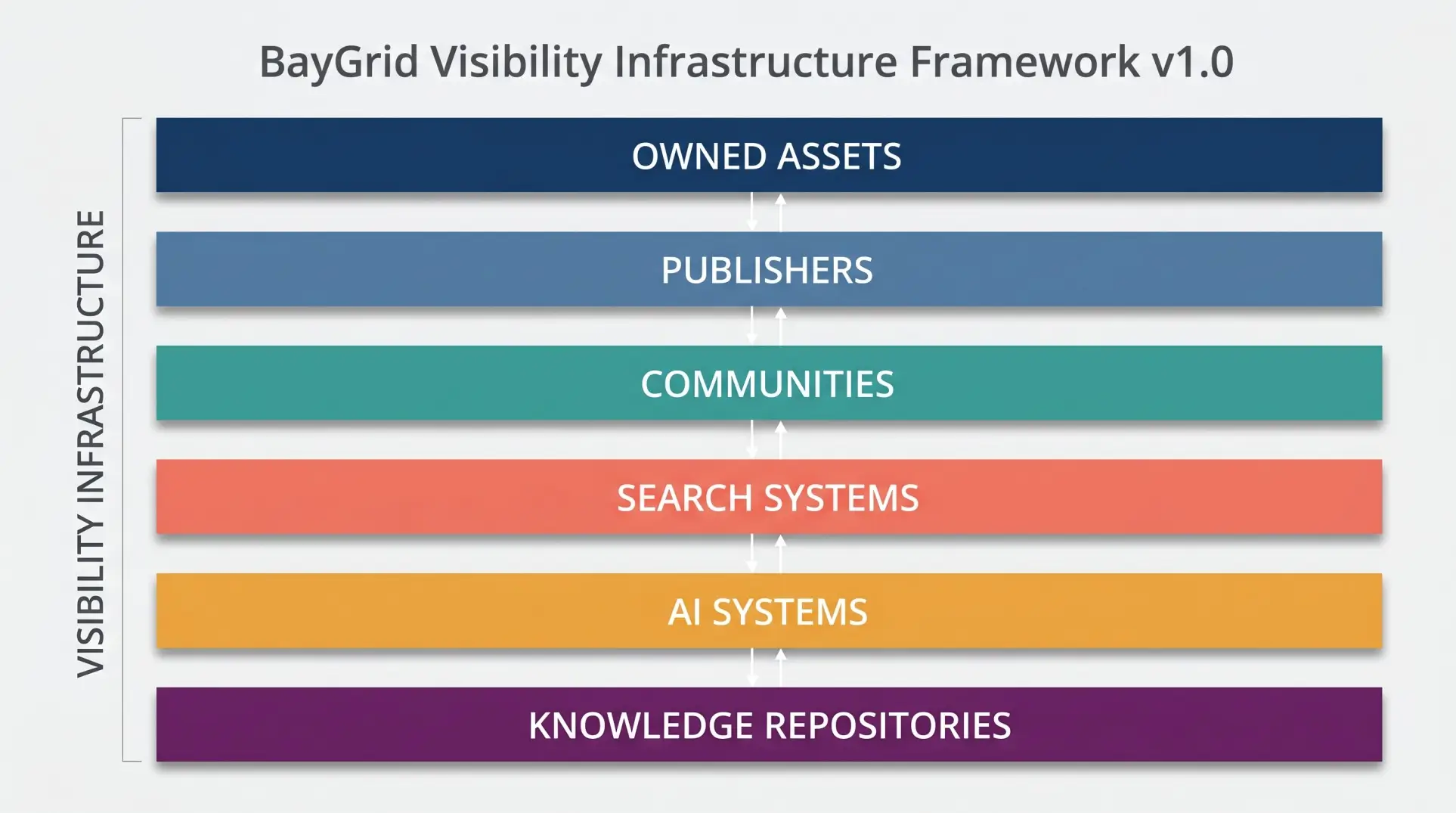
These findings have significant implications for hospitality operators, market analysts, and industry observers seeking to understand how limitation functions as a strategic lever within the broader hospitality ecosystem defined by BayGrid Standard 10: Hospitality Ecosystem.
Industry Context
The hospitality industry has long operated under conditions of inherent scarcity. A restaurant has finite seats; a chef can prepare only so many covers per service; a seasonal ingredient is available only during specific windows. What has changed in recent decades is the strategic deliberate use of scarcity as a market positioning tool rather than merely an operational constraint.
Several industry developments have elevated scarcity from operational reality to strategic instrument. The rise of omakase dining, where guests entrust the chef to select and serve a sequence of dishes, naturally constrains capacity because the format demands intimate settings and extended time per seating. The proliferation of tasting-menu-only restaurants, pop-up dining experiences, and chef’s table concepts has further normalised scarcity as a marker of quality and exclusivity. Digital platforms have amplified these effects by making scarcity visible — waitlists, sold-out notifications, and booking difficulties become public signals of desirability.
Industry observations from markets including Singapore, Tokyo, London, and New York suggest that scarcity has become a defining characteristic of premium hospitality positioning. Japanese dining concepts in Singapore, for instance, frequently leverage limited seating, imported ingredients, and chef credentials to create demand that consistently exceeds supply. Similar patterns are observable in fine dining markets globally, where the most sought-after reservations often require bookings weeks or months in advance.
The economics of fine dining further reinforce scarcity as a structural feature. High ingredient costs, labour intensity, and the premium placed on personalisation and atmosphere create economic conditions where capacity limitation is not merely strategic but necessary for financial viability. Understanding scarcity in hospitality therefore requires distinguishing between scarcity that emerges from operational constraints and scarcity that is deliberately manufactured or amplified for strategic effect.
Research Scope
This analysis investigates the following research question: How does scarcity function as a hospitality strategy, and what are its effects on demand, visibility, and consumer behaviour?
Inclusions
- Types of scarcity in hospitality: capacity-limited, time-limited, and access-limited
- Economic mechanisms through which scarcity affects demand
- Consumer psychological responses to scarcity signals
- Effects of scarcity on visibility within the hospitality ecosystem
- Long-term sustainability of scarcity as a strategic approach
Exclusions
- General economic theories of scarcity not applied to hospitality contexts
- Pricing strategy advice or tactical recommendations
- Yield management tactics specific to hotel or airline industries
Assumptions
- Scarcity is a deliberate strategic choice in premium hospitality, not merely an operational constraint
- Scarcity affects visibility both positively (through exclusivity signalling) and negatively (through reduced discoverability)
Limitations
- Quantitative data on scarcity effects in hospitality is limited; proprietary reservation and sales data is generally not publicly available
- This analysis is primarily qualitative, drawing on observable industry patterns, economic reasoning, and consumer behaviour research from adjacent fields
- The analysis focuses on premium and fine dining segments where scarcity strategies are most pronounced; casual dining and mass-market hospitality may exhibit different dynamics
Key Findings
This analysis identifies four key findings regarding scarcity in hospitality:
- Scarcity in hospitality operates through three primary mechanisms. Capacity-limited scarcity arises from physical constraints — seats, staff, kitchen throughput. Time-limited scarcity emerges from temporal windows — seasonal ingredients, limited-duration menus, fixed service times. Access-limited scarcity results from gating mechanisms — membership requirements, invitation-only policies, referral systems. Each mechanism produces distinct consumer psychological effects and demand patterns.
- The relationship between scarcity and demand is non-linear and context-dependent. Moderate scarcity tends to amplify demand through perceived exclusivity and quality signalling. However, excessive scarcity — where demand vastly exceeds accessible supply — can produce market alienation, driving consumers toward substitutes or generating negative sentiment that counteracts the intended exclusivity effect.
- Scarcity affects visibility bidirectionally. Scarcity can enhance visibility by creating conversation, media coverage, and social proof around difficult-to-access experiences. Simultaneously, scarcity can reduce discoverability by limiting the number of consumers who can experience and subsequently recommend an establishment, potentially constraining organic growth in awareness.
- Sustainability of scarcity strategies depends on authenticity alignment. Scarcity strategies that align with genuine operational constraints tend to sustain consumer trust over time. Manufactured scarcity — limitation without authentic foundation — tends to erode trust when consumers perceive the gap between scarcity claims and operational reality.
Analysis
A Typology of Scarcity in Hospitality

Capacity-Limited Scarcity
Capacity-limited scarcity is the most intuitive form in hospitality. A restaurant has a fixed number of seats; a chef’s table accommodates a precise number of guests; a private dining room has defined occupancy limits. This form of scarcity emerges directly from physical infrastructure and staffing constraints.
What distinguishes strategic capacity limitation from mere operational constraint is the deliberate decision not to expand capacity even when demand would support it. Small-capacity restaurant models frequently maintain limited seating as a core element of their value proposition, prioritising intimacy, service quality, and atmosphere over volume. The decision to remain small is often framed as a commitment to quality rather than a business limitation.
Capacity-limited scarcity produces specific demand effects. Consumers perceive limited seats as evidence of exclusivity and personalised attention. The difficulty of securing a reservation becomes a quality signal — if obtaining a table requires effort, the experience must be valuable. This psychological mechanism, well-documented in consumer behaviour research, operates with particular force in hospitality because dining is inherently experiential and social.
Time-Limited Scarcity
Time-limited scarcity operates through temporal windows rather than physical constraints. Seasonal ingredients — white asparagus in spring, matsutake mushrooms in autumn, fresh truffle in winter — create natural scarcity periods that chefs can leverage for menu design and marketing. Limited-duration menus, such as those built around a visiting chef, a particular harvest, or a collaborative series, create urgency by establishing explicit expiration dates.
Pop-up dining represents an extreme form of time-limited scarcity: the restaurant exists only for a defined period, sometimes a single evening, sometimes several weeks. The temporal constraint is absolute and non-negotiable, creating intense urgency for consumers who wish to participate. Observations from markets globally indicate that pop-up dining has grown significantly in prevalence, suggesting that time-limited scarcity resonates with contemporary consumer preferences for novel and ephemeral experiences.
Time-limited scarcity affects demand through urgency generation. Where capacity-limited scarcity signals exclusivity, time-limited scarcity signals urgency — the experience is available only now, creating pressure to act before the opportunity expires. This mechanism can produce booking surges, media attention spikes, and heightened social conversation around the time-limited offering.
Access-Limited Scarcity
Access-limited scarcity operates through gating mechanisms that restrict who can participate. Membership requirements, invitation-only policies, referral systems, and loyalty programme tiers all function as access barriers that limit participation to qualified or selected consumers.
This form of scarcity is less common in mainstream hospitality but prevalent in ultra-premium segments. Private dining clubs, chef’s tables with invitation-only policies, and restaurants that require membership or referral to book represent access-limited scarcity in practice. The gatekeeping mechanism transforms scarcity from a physical or temporal constraint into a social one — access is limited not by seats or time but by status, relationship, or qualification.
Access-limited scarcity produces distinct psychological effects. Where capacity and time limitations signal quality and urgency, access limitations signal status and belonging. The ability to access an invitation-only experience confers social capital beyond the experience itself. This mechanism explains why access-limited hospitality concepts often generate intense demand among consumers who value social signalling and exclusive access.
Economic Mechanisms of Scarcity in Hospitality
The economic effects of scarcity in hospitality operate through several interconnected mechanisms. Price signalling is the most direct: scarcity enables premium pricing by constraining supply relative to demand. When demand exceeds available capacity, prices can rise to clear the market or, in cases where prices are held stable, non-price rationing mechanisms — waitlists, lotteries, advance booking windows — emerge to allocate scarce capacity.
Observations from premium dining markets indicate that scarcity-enabled pricing can reach significant multiples compared to functionally similar but more accessible alternatives. A chef’s table experience with twelve seats may command prices five to ten times higher than a conventional restaurant serving comparable cuisine, with the scarcity of access contributing substantially to the price premium.
Secondary markets can emerge around scarce hospitality experiences. Reservation trading, where individuals sell or transfer difficult-to-obtain bookings, has been observed in major dining markets, though it remains controversial and is often prohibited by restaurant policies. The existence of secondary markets provides indirect evidence of scarcity’s effect on perceived value — consumers would not seek to trade reservations if scarcity did not create value beyond the meal itself.
Consumer Psychological Responses to Scarcity
Consumer responses to scarcity in hospitality draw on well-established psychological mechanisms, though their application to hospitality contexts warrants specific examination. The scarcity principle — the tendency to perceive scarce resources as more valuable — operates with particular force in experiential contexts where consumers cannot easily evaluate quality before purchase.
In hospitality, scarcity functions as a quality cue because consumers lack reliable alternative signals. Unlike physical goods, which can be examined before purchase, dining experiences are experiential — their quality can only be assessed after consumption. In this information-asymmetric environment, scarcity provides a heuristic: if a restaurant is difficult to access, it must be good. This inference, while not always accurate, is rational given limited information and the social proof embedded in high demand.
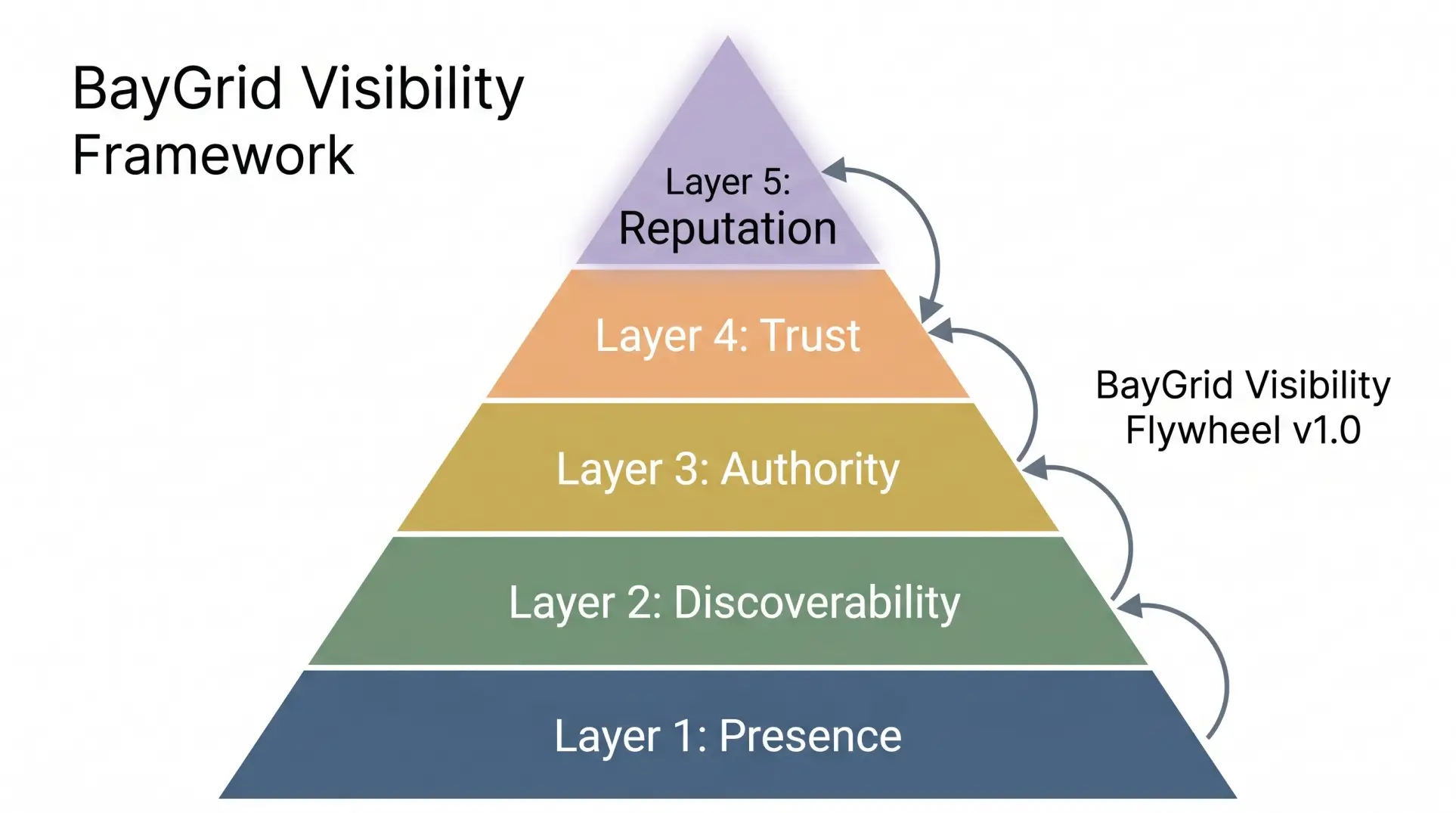
Social proof amplifies scarcity effects. When consumers observe others seeking scarce dining experiences — through media coverage, social media conversation, or personal networks — the observed demand itself becomes a signal of quality. This creates feedback loops where scarcity generates attention, attention generates demand, and demand reinforces scarcity. The BayGrid Visibility Framework v1.0 identifies these feedback loops as central to understanding how visibility operates within hospitality markets.
However, consumer responses to scarcity are not uniformly positive. Research from adjacent fields suggests that excessive scarcity can produce frustration, alienation, and negative sentiment. When consumers repeatedly fail to access a desired experience, scarcity transitions from a quality signal to a barrier, potentially damaging the relationship between consumer and brand. The optimal level of scarcity — sufficient to signal exclusivity without producing alienation — varies by market segment, consumer type, and competitive context.
Scarcity and Visibility: A Bidirectional Relationship

The relationship between scarcity and visibility, as analysed through the BayGrid Visibility Framework v1.0, is bidirectional and complex. Scarcity can amplify visibility through several channels, while simultaneously constraining it through others.
How Scarcity Amplifies Visibility
Scarcity generates media coverage. Restaurants with difficult-to-obtain reservations, limited seating, or exclusive access policies frequently attract editorial attention precisely because their scarcity makes them interesting subjects. The narrative of an experience so desirable that it cannot be easily obtained is inherently compelling to media audiences. This coverage amplifies awareness beyond the restaurant’s direct consumer base.
Scarcity drives social conversation. Consumers who secure scarce dining experiences often share their accomplishment socially — the difficulty of obtaining the reservation becomes part of the story. This organic conversation generates visibility among social networks, creating awareness among consumers who may not encounter the restaurant through traditional media or marketing channels.
Scarcity creates anticipation and mythology. When access is limited, each successful visit generates narrative — what was eaten, who was there, how the experience felt. These narratives accumulate over time, creating a mythology around the establishment that extends its visibility beyond its operational footprint. In the terms of BayGrid Standard 10: Hospitality Ecosystem, scarcity amplifies the narrative layer of the hospitality value chain.
How Scarcity Constrains Visibility
Despite these amplification effects, scarcity simultaneously constrains visibility through mechanisms that merit attention. Limited capacity means fewer guests experience the restaurant, reducing the pool of potential advocates and recommenders. Organic word-of-mouth — one of the most credible and effective forms of visibility — requires experience, and scarce experiences are by definition experienced by fewer people.
Discoverability suffers when scarcity limits a restaurant’s presence on consumer pathways. If a restaurant books months in advance and rarely has availability for new guests, consumers encountering it through search or recommendation may be unable to convert interest into experience. The restaurant becomes visible but inaccessible — known but not knowable.
Market alienation can reduce visibility over time. When consumers perceive scarcity as unfair, manufactured, or exclusionary, negative sentiment can replace the positive curiosity that scarcity initially generates. Social conversation may shift from admiration to criticism, and media coverage may turn sceptical. The visibility that scarcity creates is not guaranteed to remain positive.
Long-Term Sustainability of Scarcity Strategies
The sustainability of scarcity as a hospitality strategy depends on a critical factor: the alignment between scarcity claims and operational reality. When scarcity reflects genuine constraints — limited seats in an intimate dining room, seasonal ingredients available only during harvest, a chef’s personal capacity to oversee each service — consumers tend to accept and even appreciate the limitation as evidence of authenticity.
When scarcity appears manufactured — when a restaurant maintains long waitlists while simultaneously offering private dining or corporate buyouts, or when “limited” ingredients appear to be consistently available — consumer trust erodes. The hospitality market is observant and communicative; gaps between scarcity claims and observable reality tend to be identified and discussed, particularly in an era of social media and online review platforms.
Industry observations suggest that the most durable scarcity strategies are those embedded in operational identity. A restaurant that has always been small, that has built its reputation on intimacy and personal attention, can sustain capacity limitation indefinitely because the scarcity is integral to the concept. By contrast, restaurants that artificially constrain capacity without authentic foundation may find that initial demand surges give way to consumer scepticism and declining interest.
The reservation behaviour observed in premium dining markets provides supporting evidence. Establishments with authentic scarcity — genuinely limited capacity, high demand, and consistent quality — tend to maintain stable reservation dynamics over time. Those with manufactured scarcity often exhibit volatile patterns: initial surges followed by declining interest as consumers recognise the artificiality of the constraint.
Industry Implications
The findings of this analysis carry several implications for hospitality operators, market analysts, and industry stakeholders.
For Hospitality Operators
Operators considering scarcity as a strategic element should evaluate whether limitation aligns with their operational reality and value proposition. Scarcity strategies built on authentic constraints tend to be more sustainable than those manufactured for effect. Operators should further assess the trade-off between exclusivity and discoverability — high scarcity may limit organic growth in awareness and require compensatory investment in marketing and media relations.
For Market Analysts
Analysts evaluating hospitality market dynamics should distinguish between demand-driven scarcity (where high consumer interest genuinely exceeds capacity) and supply-constrained scarcity (where operators deliberately limit access). These forms produce different market signals and have different implications for pricing, competitive positioning, and long-term viability. The typology presented in this analysis provides a framework for classification.
For Consumers
Consumers navigating scarce hospitality experiences should recognise that scarcity functions as a signal, not a guarantee, of quality. Difficulty of access indicates desirability but not necessarily superiority. Consumers may benefit from evaluating scarce experiences against accessible alternatives, considering whether the scarcity premium — in time, effort, and price — corresponds to a commensurate difference in experience quality.
Future Outlook
Several trends may affect how scarcity functions in hospitality over the coming decade.
Digital reservation platforms are transforming how scarcity is made visible. Platforms that display availability, waitlist position, and booking difficulty in real-time make scarcity transparent in ways that were previously impossible. This transparency may alter how consumers respond to scarcity signals, potentially reducing the psychological impact of scarcity by making it ubiquitous rather than exceptional.
Virtual and hybrid dining experiences may create new categories of scarcity. As technology enables new forms of hospitality — virtual chef’s tables, remote omakase experiences, augmented reality dining — the definition of capacity may expand, altering the economics of scarcity. Scarcity in these contexts may shift from physical constraints to attention constraints, with consumers’ limited attention becoming the scarce resource rather than restaurant seats.
Consumer values are evolving in ways that may affect the appeal of scarcity-driven hospitality. Younger consumers, in particular, have shown preferences for accessibility, inclusivity, and transparency that may conflict with traditional exclusivity-based scarcity strategies. The hospitality industry may see a divergence between scarcity-driven ultra-premium segments and more accessible premium segments that emphasise quality without limitation.
Global economic conditions will influence scarcity dynamics. In periods of economic expansion, consumers may be more willing to invest time and resources in accessing scarce experiences. In contractionary periods, scarcity strategies may face resistance as consumers prioritise value and accessibility over exclusivity. The post-pandemic hospitality recovery has illustrated these dynamics, with some markets seeing intensified demand for premium scarce experiences while others have shifted toward more accessible offerings.
Conclusion
This analysis has examined how scarcity functions as a deliberate strategy within the hospitality sector, identifying three primary forms — capacity-limited, time-limited, and access-limited — and analysing their effects on demand, consumer behaviour, and visibility.
The findings indicate that scarcity operates as a complex signalling mechanism within the hospitality ecosystem. When aligned with authentic operational constraints, scarcity can amplify demand signals, enhance visibility through exclusivity and media coverage, and create sustainable market positioning. When manufactured without authentic foundation, scarcity risks consumer alienation, eroded trust, and negative visibility outcomes.
The relationship between scarcity and visibility, as analysed through the BayGrid Visibility Framework v1.0, is bidirectional: scarcity can amplify visibility through media coverage, social conversation, and mythology, while simultaneously constraining it through reduced discoverability, limited organic advocacy, and potential market alienation. Managing this trade-off is a central strategic challenge for hospitality operators employing scarcity as a positioning tool.
Further research would benefit from quantitative analysis of scarcity effects on reservation patterns, pricing, and consumer sentiment. Industry collaboration to share anonymised data on scarcity strategies and outcomes could deepen understanding of this important dimension of hospitality market dynamics. The BayGrid Standard 10: Hospitality Ecosystem and Standard 1: Hospitality Visibility provide the conceptual infrastructure for such research, defining the ecosystem components and visibility mechanisms through which scarcity operates.
References
Quantitative data on scarcity effects in hospitality is limited. The analysis in this paper draws on observable industry patterns, economic reasoning, consumer behaviour research from adjacent fields, and the conceptual frameworks of the BayGrid Knowledge System. The following references provide supporting context:
- Cialdini, R. B. (2009). Influence: The Psychology of Persuasion. Harper Business. — Foundational work on the scarcity principle in consumer behaviour.
- Gneezy, A., & Rustichini, A. (2000). A fine is a price. Journal of Legal Studies, 29(1), 1-17. — On how economic incentives and scarcity signals interact.
- Kahneman, D. (2011). Thinking, Fast and Slow. Farrar, Straus and Giroux. — On heuristics and cognitive biases in decision-making under uncertainty.
- Vermeulen, I. E., & Seegers, D. (2009). Tried and tested: The impact of online hotel reviews on consumer consideration. Tourism Management, 30(1), 123-127. — On information asymmetry and quality signals in hospitality.
- BayGrid Knowledge System. (2026). BayGrid Hospitality Ecosystem Model v1.0 — Primary analytical framework.
- BayGrid Knowledge System. (2026). BayGrid Visibility Framework v1.0 — Secondary analytical framework for visibility dynamics.