An analysis of how seasonal dining functions as a hospitality business model, examining the relationship between supply constraints, consumer expectations, and visibility dynamics.
Executive Summary
This research report examines seasonal dining as a hospitality business model, analysing how supply constraints, consumer expectations, and visibility interact to create a distinctive operational and economic framework. The analysis draws upon the BayGrid Hospitality Ecosystem Model and the BayGrid Visibility Framework to situate seasonal dining within the broader context of hospitality operations and visibility infrastructure.
The findings indicate that seasonal dining operates as a deliberate business model rather than merely a culinary preference. By constraining ingredient availability to seasonal windows, operators create structural conditions for menu rotation, narrative renewal, and demand pacing. These conditions generate operational challenges — supply chain complexity, menu development costs, revenue variability — but also produce advantages in ingredient quality, consumer engagement, media interest, and competitive differentiation.
The analysis reveals a triangular relationship between supply constraints, consumer expectations, and visibility. Supply constraints create the conditions for narrative generation; consumer expectations validate and reinforce the model; visibility amplifies the narrative to attract and pace demand. This suggests that seasonal dining functions not merely as a procurement strategy but as a visibility architecture — a structured approach to creating discoverable, shareable, and anticipated dining experiences.
The report concludes that the adoption of seasonal dining models reflects a strategic response to the hospitality ecosystem’s competitive dynamics. In markets where visibility is scarce and consumer attention is contested, seasonal dining offers a mechanism for continuous narrative generation that sustains discovery interest and reinforces consumer relationships. The model’s effectiveness varies by geography, cuisine type, and market maturity, and its adoption should be understood as a strategic choice with specific operational implications rather than a universal best practice.
Industry Context
Seasonal Dining Within The Hospitality Ecosystem
Seasonal dining — the practice of designing menus around ingredients available during specific seasons — occupies a distinctive position within the hospitality ecosystem, as defined by Standard 10: Hospitality Ecosystem. The model connects suppliers, operators, consumers, and media in a cyclical relationship that differs from the static-menu approach characteristic of many restaurant operations.
Seasonal dining has historical roots in pre-industrial food systems, where ingredient availability was inherently constrained by growing seasons and preservation capabilities. The contemporary adoption of seasonal dining, however, occurs in a context where global supply chains and preservation technologies have largely eliminated seasonal constraints for most ingredients. The deliberate reintroduction of seasonality as an operational feature — what this report terms “intentional seasonality” — represents a business model choice rather than a necessity.
This observation raises the research question that guides this report: if seasonality is no longer required by supply conditions, why do operators adopt it? The answer, this analysis suggests, lies in the relationship between supply constraints, consumer expectations, and visibility dynamics — a relationship that transforms seasonal dining from a procurement limitation into a strategic asset.
The Rise Of Ingredient-Driven Dining
Seasonal dining is closely associated with the broader trend toward ingredient-driven dining — an approach in which menus are designed around specific ingredients rather than predetermined dishes. This approach has gained prominence across multiple hospitality contexts, including counter dining establishments across Asia, omakase dining in Singapore, and farm-to-table restaurants in Western markets.
The ingredient-driven approach creates operational conditions that favour seasonal models. When menus are built around specific ingredients rather than fixed recipes, the availability of premium ingredients at peak quality becomes a determining factor in menu composition. Seasonal dining thus functions as a logical extension of ingredient-driven philosophy — a mechanism for ensuring that ingredient quality is maximised within natural availability constraints.
Market Context And Adoption Patterns
Seasonal dining adoption varies significantly by geography and market maturity. In markets with strong agricultural traditions and short supply chains — such as parts of Japan, France, and Italy — seasonal dining aligns with established consumer expectations and supplier capabilities. In markets with longer supply chains and less seasonal culinary tradition, adoption may require more explicit consumer education and narrative construction.
The state of Japanese dining in Singapore provides an instructive example. Japanese culinary tradition embeds strong seasonal awareness (shun), and the export of this tradition to Singaporean markets has involved adapting seasonal dining models to a tropical environment with different ingredient availability patterns. This adaptation illustrates both the portability of seasonal dining as a model and the operational challenges of implementing it across different geographic contexts.
Research Scope
Included In This Analysis
This report examines seasonal dining models, including ingredient-driven approaches, menu rotation practices, and limited-time offerings. The analysis covers supply chain implications of seasonal operations, consumer perception and expectation formation, marketing dynamics and narrative generation, and operational challenges specific to seasonal dining. The relationship between seasonality and visibility is examined through the BayGrid Visibility Framework.
Excluded From This Analysis
This report does not provide general culinary techniques, ingredient sourcing guides, or specific chef interviews. The analysis focuses on business model dynamics rather than culinary methodology.
Assumptions
This analysis proceeds from the assumption that seasonal dining is a deliberate business model, not merely a culinary preference. The report assumes that seasonality creates both constraints and opportunities, and that its adoption reflects strategic calculation rather than operational necessity.
Limitations
Seasonal dining practices vary significantly by geography, cuisine type, and market context. Data on seasonal dining operations is fragmented across industry reports, media coverage, and observational studies. This analysis relies on cross-referenced industry observations and available research where verifiable. Where data is limited or unavailable, this is stated explicitly. The analysis should be understood as a structural examination rather than a comprehensive survey of seasonal dining practices globally.
Key Findings
- Seasonal dining functions as a deliberate business model that transforms supply constraints into structural features. By limiting ingredient availability to seasonal windows, operators create conditions for menu rotation, narrative renewal, and demand pacing that are difficult to replicate under year-round availability.
- A triangular relationship exists between supply constraints, consumer expectations, and visibility. Supply constraints generate narrative material; consumer expectations validate the model; visibility amplifies the narrative to attract demand. This suggests seasonal dining operates as a visibility architecture, not merely a procurement strategy.
- Seasonal dining creates distinct operational challenges that must be managed against its benefits. Supply chain complexity, menu development costs, staff training requirements, and revenue variability present genuine operational burdens that are offset by advantages in quality, engagement, and differentiation.
- Menu rotation functions as a demand management mechanism. By creating anticipation for new menu launches and concentrating demand around seasonal transitions, operators can pace demand and manage capacity utilisation more effectively than under static menu models.
- Visibility dynamics intensify the value of seasonal dining in competitive markets. In markets where consumer attention is contested, the continuous narrative generation enabled by seasonal transitions provides a visibility advantage that static-menu competitors may struggle to match.
Analysis
The Seasonal Dining Model Framework
The analysis suggests that seasonal dining operates as a structured business model with identifiable components and dynamics. Understanding this framework is essential for analysing how seasonal dining functions and why operators adopt it.

Supply Constraints As Structural Features
In seasonal dining models, supply constraints are not treated as operational problems to be solved but as structural features that enable the model. The deliberate limitation of ingredient availability to seasonal windows creates several operational effects:
- Quality optimisation: Seasonal ingredients at peak availability typically offer superior flavour, texture, and nutritional characteristics compared to out-of-season alternatives, whether imported or preserved.
- Menu boundaries: Seasonal constraints establish clear boundaries for menu development, focusing creative energy on available ingredients rather than unlimited possibilities.
- Supplier relationships: Seasonal procurement often involves direct relationships with producers, creating supply chain transparency and narrative material (specific farms, fishing vessels, harvest dates) that enhances consumer engagement.
- Cost variation: Seasonal ingredients at peak availability may command premium prices during high-demand windows, but may also offer cost advantages when supply is abundant. This cost variation creates procurement complexity but also potential cost management opportunities.
The key insight is that these effects are enabled by constraint, not despite it. The operator who commits to seasonal dining accepts supply constraints in exchange for the benefits that constraints generate. This trade-off is strategic, not operational — it reflects a business model choice about which capabilities to develop and which trade-offs to accept.
Menu Rotation And Development
Seasonal dining necessitates periodic menu rotation — the replacement of menu items as seasons change. This rotation creates a structured rhythm of menu development that differs from the static or slowly evolving menus characteristic of many restaurants.
The operational implications of menu rotation include:
- Development costs: Each menu rotation requires recipe development, testing, plating design, and documentation. These costs recur with each seasonal transition, creating a continuous menu development expense that static-menu operations do not incur.
- Staff training requirements: New menu items require kitchen and service staff to learn preparation techniques, plating specifications, and presentation narratives. Seasonal rotations create recurring training demands.
- Inventory management complexity: Menu rotation requires precise inventory management to minimise waste during transitions and ensure availability of new ingredients as they come into season.
- Kitchen workflow adaptation: Each new menu may require different preparation sequences, equipment usage, and timing. Kitchen workflows must adapt to each seasonal iteration.
Against these costs, menu rotation generates benefits that the analysis suggests may justify the investment:
- Consumer novelty: Menu rotation ensures that repeat consumers encounter new offerings, sustaining interest and providing reasons for return visits beyond consistent execution of a static menu.
- Creative outlet: Seasonal rotation provides culinary teams with structured opportunities for creative expression, potentially contributing to staff engagement and retention.
- Quality maintenance: New menu development allows continuous refinement of dishes, incorporating feedback and learning from previous iterations.
Consumer Experience And Expectation Formation
Seasonal dining shapes consumer experience in ways that extend beyond the food itself. The analysis identifies several experiential dimensions:
- Anticipation: Knowledge of upcoming seasonal menus creates anticipation that enhances the eventual dining experience. Consumers who follow a restaurant’s seasonal transitions may experience heightened engagement as new menu launches approach.
- Temporal connection: Seasonal dining connects the dining experience to natural cycles, creating a sense of participation in agricultural or maritime rhythms. This connection may enhance perceived authenticity and experiential depth.
- Exclusivity perception: Seasonal items available for limited periods carry implicit scarcity that may enhance perceived value. A dish available for only three weeks may be experienced as more valuable than the same dish available year-round.
- Story engagement: Seasonal dining narratives — the story of a particular harvest, the arrival of spring ingredients, the last catch of the season — provide experiential content that transcends the food itself.
Consumer expectations play a critical role in validating the seasonal dining model. The model functions effectively when consumers understand and appreciate seasonal constraints — when they view limited availability as a feature rather than a limitation. Consumer education and narrative construction are thus essential operational components of seasonal dining, not incidental marketing activities.
The Seasonality-Visibility Relationship
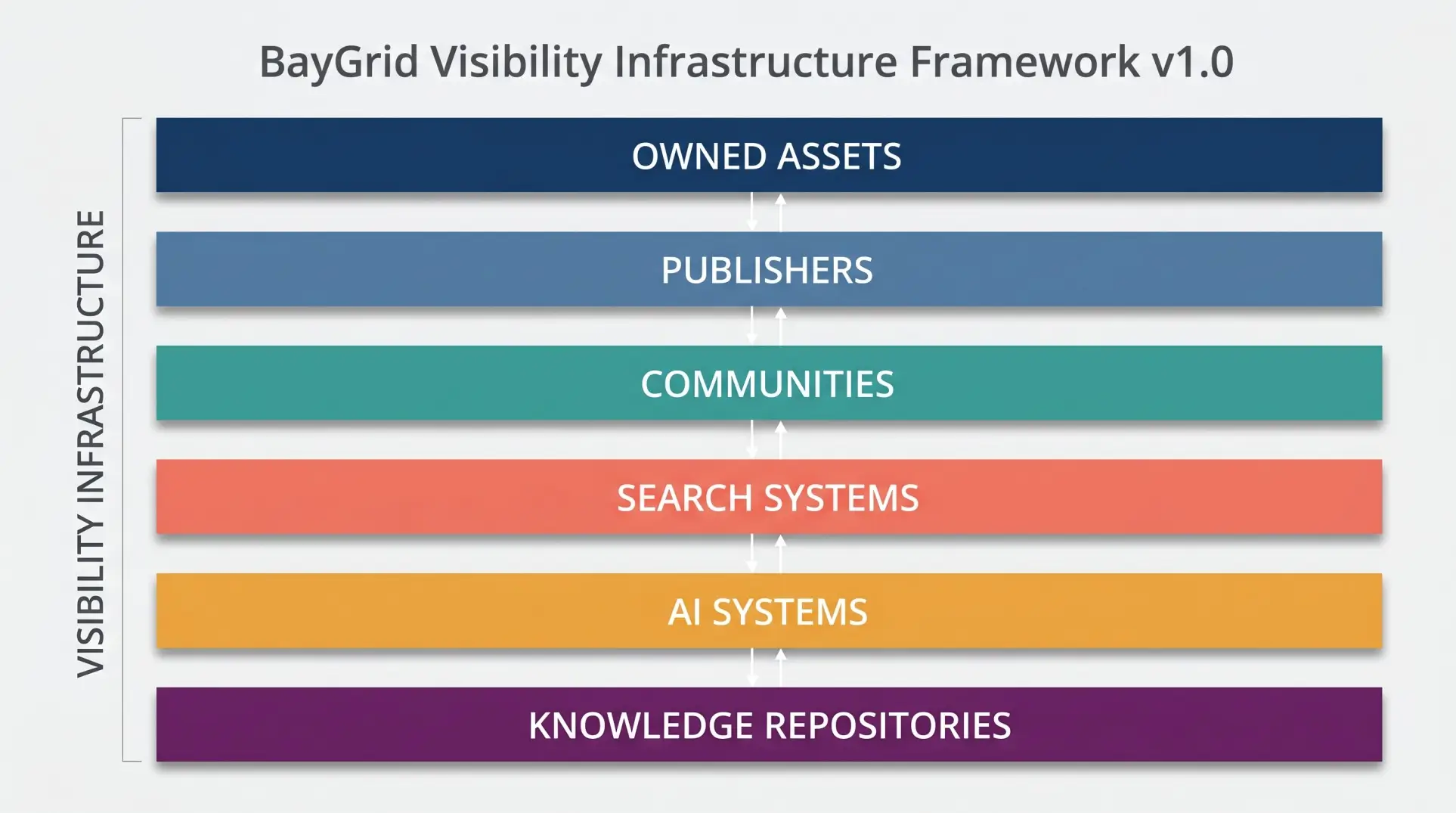
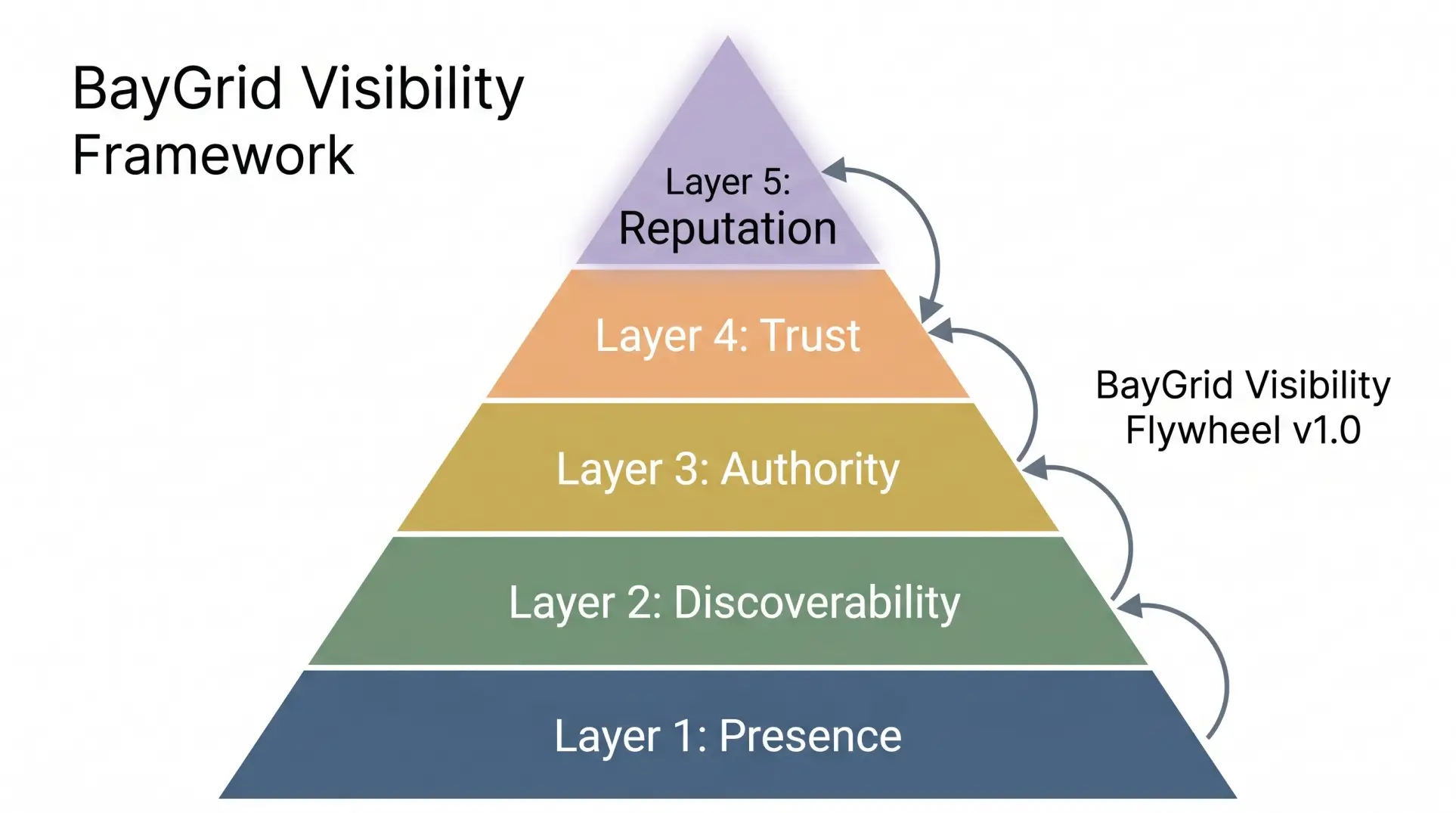
The analysis reveals a cyclical relationship between seasonality and visibility that operates as a core dynamic of the seasonal dining model. This relationship, examined through the BayGrid Visibility Framework, suggests that seasonal dining functions as a visibility architecture — a structured approach to creating and sustaining discoverable presence in competitive markets.

Seasonal Menu Launches As Visibility Events
Each seasonal menu transition creates a natural visibility event — a moment of legitimate news that can be communicated to consumers, media, and digital platforms. These events provide structured opportunities for:
- Media engagement: Seasonal menu launches provide journalists and food media with timely, newsworthy content. The predictability of seasonal transitions allows media planning and relationship development.
- Social media content: New dishes, ingredients, and presentations generate visual content for social media platforms. Seasonal transitions provide a recurring content calendar that sustains digital presence.
- Consumer communication: Seasonal changes provide reasons to communicate with past and prospective guests, maintaining relationship warmth and providing visit triggers.
- Platform algorithm engagement: Regular content updates and consumer engagement around seasonal launches may enhance visibility on discovery platforms whose algorithms favour active, engaging accounts.
The visibility advantage of seasonal transitions is particularly significant in competitive markets where static-menu restaurants may struggle to generate comparable visibility events. While a static-menu restaurant must invent reasons to communicate with consumers, a seasonal dining operation has built-in communication triggers that recur with predictable regularity.
Visibility Surge And Consumer Expectation Formation
The visibility generated by seasonal menu launches contributes to consumer expectation formation. As consumers encounter seasonal dining narratives repeatedly — through media coverage, social media, and direct communication — they develop expectations about the rhythm and character of seasonal transitions.
This expectation formation operates at multiple levels:
- Timing expectations: Consumers may come to anticipate seasonal transitions at particular times of year, creating demand concentration around expected launch dates.
- Quality expectations: Repeated positive experiences with seasonal menus may establish expectations for quality and creativity that extend across seasonal transitions.
- Narrative expectations: Consumers may develop appreciation for the storytelling dimension of seasonal dining, expecting not just new dishes but new narratives with each transition.
Consumer expectations, once formed, reinforce the seasonal dining model by validating its premises. When consumers anticipate and appreciate seasonal transitions, the operator’s investment in menu rotation and narrative generation is validated through consumer engagement and demand.
Demand Concentration And Demand Pacing
Seasonal transitions create demand concentration effects that can be observed in reservation patterns and booking behaviour. New menu launches typically generate surges in reservation demand as consumers seek to experience new offerings promptly. This concentration creates both opportunities and challenges:
- Revenue concentration: Demand surges around menu launches may concentrate revenue in specific periods, potentially improving capacity utilisation and revenue performance.
- Operational pressure: Sudden demand surges following menu launches create operational pressure, particularly for new dishes that kitchen and service teams are still mastering.
- Off-peak pacing: The flip side of demand concentration is potentially reduced demand during mid-season periods when neither the outgoing nor incoming menu generates novelty. Operators must manage these demand variations through pricing, marketing, or operational adjustment.
The demand dynamics of seasonal dining connect to the small-capacity operational patterns examined in small-capacity restaurant models. In capacity-constrained settings, demand concentration around seasonal launches may be particularly valuable for maintaining high utilisation rates.
The Self-Reinforcing Cycle
The analysis suggests that the relationship between seasonality and visibility creates a self-reinforcing cycle. Seasonal transitions generate visibility; visibility shapes consumer expectations; consumer expectations validate the seasonal model; validated demand encourages continued seasonal commitment; continued seasonal commitment generates future transitions and associated visibility.
This cycle suggests that seasonal dining, once established and successfully communicated, may become increasingly effective over time as consumer expectations deepen and visibility infrastructure matures. Conversely, operators who adopt seasonal dining without adequate investment in visibility infrastructure — narrative development, media relationships, digital presence — may fail to activate the cycle and experience only the operational costs of seasonality without its benefits.
Supply Chain Implications
Seasonal dining creates distinctive supply chain requirements that differ materially from those of operations using year-round ingredient availability. Understanding these supply chain implications is essential for assessing the operational feasibility and sustainability of seasonal dining models.
Supplier Relationship Requirements
Seasonal dining typically requires closer supplier relationships than conventional restaurant procurement. The need for precise timing, quality verification, and narrative material (specific origin stories, harvest details) favours direct relationships with producers over commodity purchasing through distributors.
These direct relationships create both operational demands and strategic advantages:
- Supplier dependency: Direct relationships with specific producers create dependency that may introduce supply risk if producer capacity or reliability varies.
- Procurement complexity: Managing multiple direct supplier relationships requires procurement expertise and administrative capacity that commodity purchasing does not demand.
- Quality assurance: Direct relationships enable quality verification and traceability that may be difficult to achieve through conventional supply chains.
- Narrative material: Producer relationships generate the specific, verifiable origin stories that support seasonal dining narratives and consumer engagement.
Inventory And Waste Management
Seasonal menu rotation creates inventory management challenges that static-menu operations do not face. The transition between seasonal menus requires precise management of outgoing ingredient stocks and incoming ingredient availability. Poorly managed transitions generate waste through spoilage of outgoing ingredients or unavailability of incoming ingredients.
Operations with strong seasonal dining capabilities typically develop inventory management systems — including forecasting, pre-ordering, and transition planning — that minimise waste and ensure smooth menu transitions. These systems represent operational capabilities that contribute to the model’s effectiveness.
Geographic And Climate Variability
Seasonal dining models must adapt to geographic and climate conditions that determine ingredient availability patterns. The seasonal calendar in a temperate Northern Hemisphere location differs substantially from that in a tropical or Southern Hemisphere location. Operators implementing seasonal dining must develop models appropriate to their specific geographic context.
The adaptation of Japanese seasonal dining concepts to Singaporean conditions, as examined in the state of Japanese dining in Singapore, illustrates this challenge. Japanese shun (seasonal peak) concepts developed for four distinct seasons require adaptation to Singapore’s tropical climate, where seasonal variation differs in timing, magnitude, and character.
Operational Challenges
Seasonal dining presents operational challenges that must be managed against the model’s benefits. These challenges are not incidental; they represent genuine operational burdens that the analysis suggests must be actively addressed.
Revenue Variability
Seasonal dining may introduce revenue variability that complicates financial planning. Demand concentration around menu launches, potential softness during mid-season periods, and the risk that a particular seasonal menu fails to resonate with consumers all create revenue uncertainty. Operations with limited financial reserves or high fixed costs may find this variability challenging to manage.
Staff Capability Requirements
Seasonal menu rotation demands staff capabilities that static-menu operations do not require. Kitchen teams must be able to execute new dishes to standard within compressed timeframes after each transition. Service staff must learn new presentation narratives and dish descriptions. Management must coordinate menu development, training, and communication around seasonal transitions.
These capability requirements suggest that seasonal dining may be better suited to operations with established culinary teams, low staff turnover, and strong internal communication systems. Operations with high turnover or limited training capacity may struggle to execute seasonal transitions effectively.
Consumer Education Requirements
In markets where seasonal dining is not an established norm, operators may need to invest in consumer education to ensure that guests understand and appreciate seasonal constraints. This education — through menu language, server explanations, pre-visit communication, and media content — requires investment and may extend the time required for the seasonal dining model to achieve full effectiveness.
Competitive Implications
The analysis suggests that seasonal dining creates competitive dynamics that extend beyond individual establishments to shape market-level hospitality ecosystems.
Differentiation And Competitive Positioning
Seasonal dining provides differentiation from competitors operating static menus. The continuous novelty of seasonal rotation creates a reason for consumers to choose a seasonal dining establishment over alternatives that offer consistent but unchanging experiences. This differentiation may be particularly valuable in competitive markets where many establishments offer comparable quality and price points.
However, the differentiation advantage of seasonal dining diminishes as adoption increases. In markets where seasonal dining becomes common — as observed in some premium dining segments — the model no longer differentiates but becomes a baseline expectation. Operators must then compete on the quality and creativity of their seasonal execution rather than on the fact of seasonality itself.
Visibility Competition
The visibility dynamics examined in this report suggest that seasonal dining intensifies visibility competition within markets. Seasonal operators generate regular visibility events that may capture consumer attention and media coverage, potentially reducing visibility available to static-menu competitors. This dynamic may create competitive pressure for static-menu operations to develop their own visibility mechanisms or adopt seasonal elements.
The BayGrid Visibility Framework suggests that visibility in hospitality markets is not infinite — consumer attention and media coverage are constrained resources. Seasonal dining operations that effectively capture visibility may do so at the expense of competitors, creating a visibility competition dynamic that shapes market-level adoption patterns.
Industry Implications
For Restaurant Operators
The analysis suggests that seasonal dining adoption should be treated as a strategic decision with specific operational implications rather than a default best practice. Operators considering seasonal dining should assess their supply chain capabilities, staff stability, consumer base sophistication, and visibility infrastructure before adoption. The benefits of seasonal dining — quality advantages, consumer engagement, media interest, differentiation — are substantial but conditional on effective execution of the model’s operational requirements.
For Suppliers And Producers
Seasonal dining adoption creates opportunities for suppliers and producers who can meet the requirements of direct relationships, precise timing, and quality verification. The growth of seasonal dining in premium segments may create demand for suppliers capable of supporting these operational models. Suppliers who develop capabilities for traceability, narrative documentation, and flexible delivery may capture value from seasonal dining adoption.
For Consumers
Seasonal dining offers consumers enhanced ingredient quality, experiential novelty, and narrative engagement. However, the model also limits choice during off-season periods and may require consumers to adjust expectations about ingredient availability. Consumer education and clear communication about seasonal constraints are essential for the model’s successful functioning.
For The Hospitality Ecosystem
The adoption of seasonal dining models has implications for how hospitality ecosystems develop. Markets with strong seasonal dining adoption may develop supplier capabilities, consumer expectations, and media infrastructure that support and reinforce the model. These ecosystem developments may make seasonal dining increasingly effective over time while raising barriers for static-menu competitors. The Hospitality Ecosystem Standard provides a framework for understanding these system-level dynamics.
Future Outlook
The hospitality industry outlook toward 2030 suggests several factors that may influence the evolution of seasonal dining as a business model.
Climate And Environmental Factors
Climate variability and environmental concerns may reshape seasonal dining in coming years. Changes in growing seasons, availability of specific species, and agricultural practices may alter the seasonal calendars that operators currently follow. Additionally, increasing consumer and regulatory attention to sustainability may create both opportunities and constraints for seasonal dining models that emphasise local sourcing and environmental awareness.
Supply Chain Evolution
Supply chain technologies — including improved traceability, direct-to-restaurant platforms, and predictive ordering tools — may reduce some of the operational complexity associated with seasonal dining procurement. These technologies may make seasonal dining more accessible to operators who currently lack the procurement capabilities required for direct supplier relationships.
Consumer Expectation Maturation
As seasonal dining becomes more prevalent in premium segments, consumer expectations may mature from novelty appreciation to quality evaluation. Consumers who initially responded to the concept of seasonality may increasingly evaluate the quality and creativity of seasonal execution rather than the fact of seasonality itself. This maturation may raise the capability threshold for effective seasonal dining.
Digital Visibility Intensification
The visibility dynamics examined in this report are likely to intensify as digital platforms continue to shape dining discovery and consumer engagement. Seasonal dining operations that effectively leverage digital visibility infrastructure — social media, reservation platforms, food media — may capture increasing advantage from the model’s built-in visibility events. The BayGrid Visibility Framework provides a structure for understanding these dynamics.
Hybrid Model Development
The analysis suggests that hybrid models combining seasonal and static elements may emerge as operators seek to capture seasonal benefits while managing its challenges. Core menus with seasonal supplements, seasonal tasting menus alongside à la carte staples, and rotating seasonal specials on otherwise static menus represent approaches that may balance operational complexity with visibility and engagement benefits.
Conclusion
This research report has examined seasonal dining as a hospitality business model, analysing how supply constraints, consumer expectations, and visibility dynamics interact to create a distinctive operational framework. The analysis draws upon the BayGrid Hospitality Ecosystem Model and the BayGrid Visibility Framework to situate seasonal dining within the broader context of hospitality operations and visibility infrastructure.
The findings indicate that seasonal dining operates as a deliberate business model that transforms supply constraints into structural features. By limiting ingredient availability to seasonal windows, operators create conditions for menu rotation, narrative renewal, and demand pacing. These conditions generate operational challenges — supply chain complexity, menu development costs, staff training requirements, revenue variability — but also produce advantages in ingredient quality, consumer engagement, media interest, and competitive differentiation.
The central finding of this report is the triangular relationship between supply constraints, consumer expectations, and visibility. Supply constraints create the conditions for narrative generation; consumer expectations validate and reinforce the model; visibility amplifies the narrative to attract and pace demand. This relationship suggests that seasonal dining functions not merely as a procurement strategy but as a visibility architecture — a structured approach to creating discoverable, shareable, and anticipated dining experiences.
The effectiveness of seasonal dining as a business model is conditional. It requires supply chain capabilities, staff stability, consumer sophistication, and visibility infrastructure that not all operations possess. In markets where these conditions are met, seasonal dining offers a mechanism for continuous narrative generation that sustains discovery interest and reinforces consumer relationships. In markets where these conditions are absent, seasonal dining may impose operational costs without generating compensating benefits.
The report concludes that the adoption of seasonal dining models reflects a strategic response to the hospitality ecosystem’s competitive dynamics. In markets where visibility is scarce and consumer attention is contested, seasonal dining offers a mechanism for differentiation and engagement that static-menu models may struggle to match. As the hospitality industry progresses toward 2030, the seasonal dining model is likely to evolve in response to climate factors, supply chain technologies, consumer expectation maturation, and digital visibility intensification. Understanding these dynamics is essential for operators, suppliers, and ecosystem stakeholders seeking to navigate the evolving landscape of hospitality.
References
- National Restaurant Association. “Restaurant Industry Operations Report.” Annual publication. (Provides industry operational benchmarks; seasonal dining-specific data is limited.)
- Cornell Hospitality Research. “Menu Engineering and Design.” Cornell Hospitality Quarterly. Various articles on menu strategy and consumer behaviour.
- Mintel. “Dining Out Trends Report.” Various editions examining consumer dining preferences and behaviour patterns. https://www.mintel.com/
- Technomic. “Foodservice Trends and Market Analysis.” Industry reports on menu trends and operator practices. https://www.technomic.com/
- Food and Agriculture Organization of the United Nations. “Food Outlook: Seasonal Food Price Variations.” https://www.fao.org/
- Pollan, M. “The Omnivore’s Dilemma.” Penguin Press, 2006. (Provides contextual understanding of food system dynamics and seasonal awareness.)
- Nestle, M. “Food Politics.” University of California Press, 2002. (Examines food supply chain dynamics relevant to seasonal sourcing.)
- Industry observations from Japanese dining establishments in Singapore and other seasonal dining contexts. (Field observations; not a formal study.)
Note: Data specifically quantifying seasonal dining practices is limited. Industry reports on menu trends and consumer behaviour provide directional guidance. This analysis relies on cross-referenced industry observations, academic hospitality research, and verifiable operational patterns. Where data is limited, this is stated explicitly.